
How to Cover Outdoor Furniture for Winter: Protect Your Patio Furniture
Learn how to cover patio furniture for winter with tips on choosing the right covers, cleaning, and storing cushions to protect against harsh weather.

Outdoor patio furniture today is no longer just about basic comfort. It is about creating a stylish, durable, and functional outdoor living space that feels like an extension of your home. With the latest 2026 trends emphasizing indoor-level comfort, sustainability, and smart design, patios have become more personalized and design-driven than ever.
However, one ongoing challenge homeowners still face, especially in areas prone to changing weather, is keeping patio furniture secure during windy conditions. Strong gusts can easily shift or topple lightweight and modular pieces, blow away cushions, or even turn items into safety hazards if not properly secured.
As modern outdoor setups increasingly feature lightweight materials, modular layouts, and plush accessories, it is more important than ever to balance style with stability to protect both your furniture and your outdoor space.
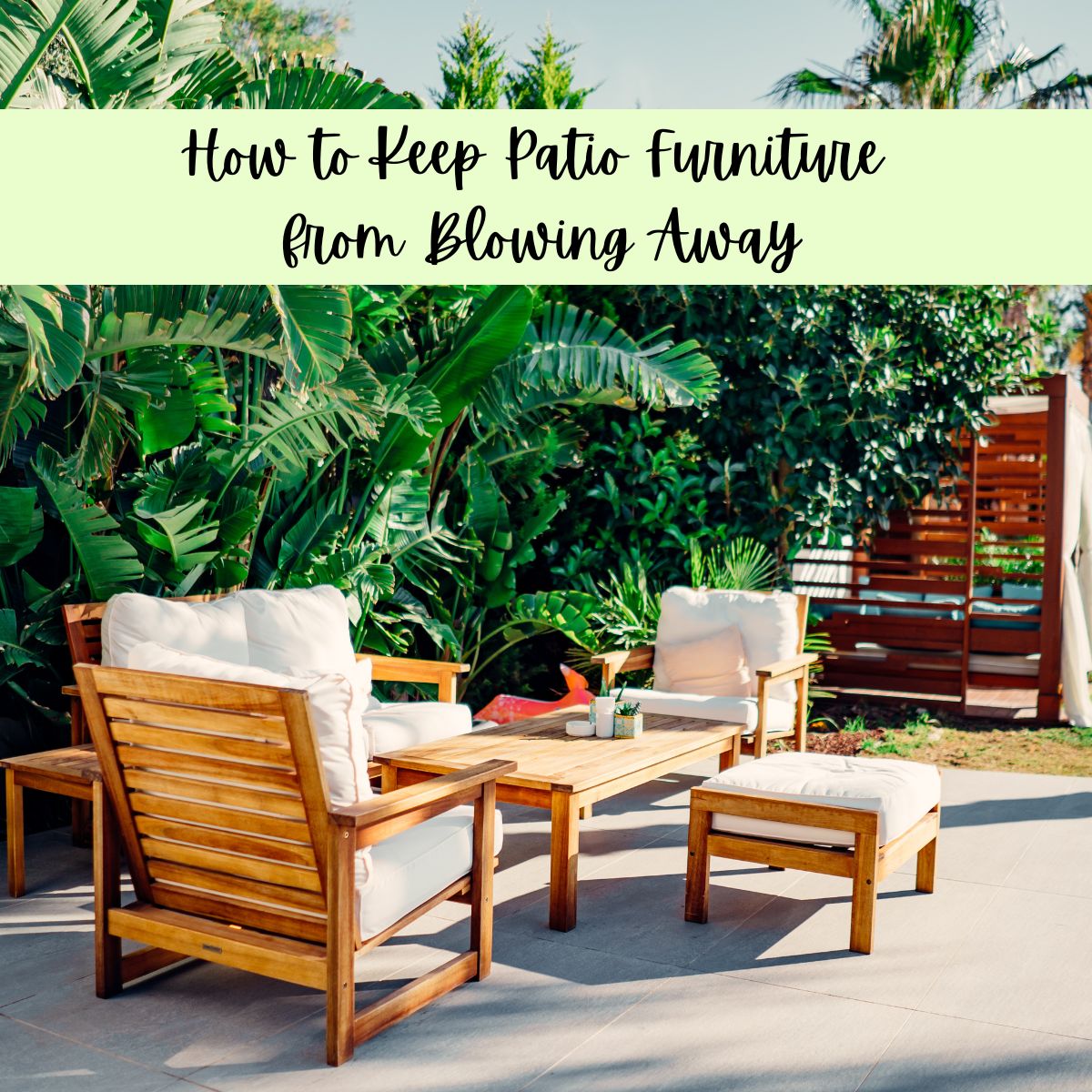
In this comprehensive guide, you will learn how to keep patio furniture from blowing away using a range of practical methods, including choosing the right materials, adding weights, using anchoring techniques, and following proper seasonal care. Whether you live in a windy area or simply want peace of mind during storms, these tips will help protect your outdoor investment.
Understanding why patio furniture is prone to wind damage helps you take the right precautions.
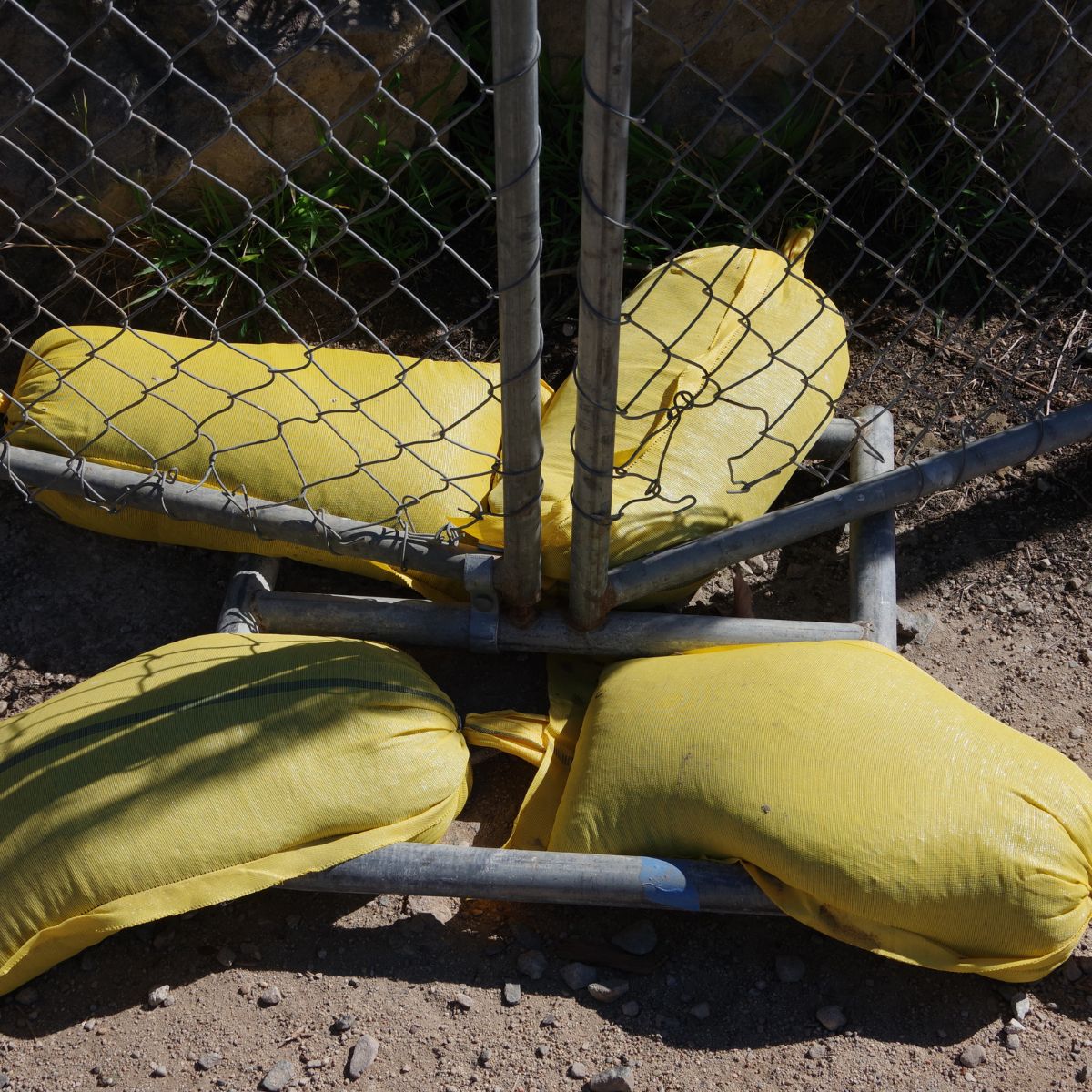
One of the simplest and most effective ways to prevent furniture from blowing away is to add weight.
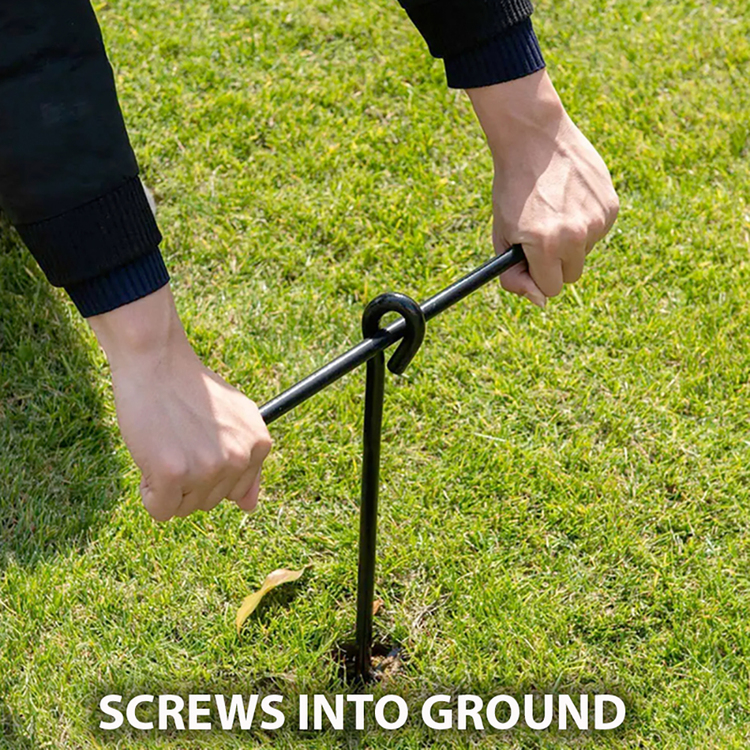
For a more permanent and secure solution, anchoring your furniture is highly effective.
When purchasing new patio furniture, consider materials that naturally resist wind.
| Material | Weight | Durability | Maintenance |
|---|---|---|---|
| Wrought Iron | Heavy | High | Moderate |
| Cast Aluminum | Medium | High | Low |
| Hardwood (Teak) | Heavy | High | Moderate |
| Resin Wicker | Light | Moderate | Low |
| Plastic | Very Light | Low | Low |
Heavier furniture requires stronger winds to move or tip over, providing natural protection.
Cushions and patio covers are often the first to blow away in strong winds, but they can be secured with the right techniques.

Reduce wind speed with these:
Plant on the windward side and combine natural and structural options.
| Wind Speed (mph) | Effect on Furniture |
|---|---|
| 10-20 | Plastic chairs may tip |
| 20-30 | Medium-weight furniture can shift |
| 30+ | Heavy furniture may move or tip |
Use weather apps or a home station to monitor wind.
Hurricane Areas: Bring furniture indoors. Use heavy-duty anchors. Buy hurricane-rated covers.
Winter: Store cushions. Use breathable covers. Check damage post-winter.
Mild Wind Areas: Use plant windbreaks and inspect regularly.

Protecting your patio furniture from wind damage requires a combination of the right materials, securing techniques, and seasonal care. By using weights, anchors, windbreaks, and proper storage, you can enjoy your outdoor space worry-free, no matter the weather.
Zip ties are best for securing cushions but not strong enough for anchoring furniture. Heavy-duty zip ties can hold small items like seat cushions, umbrella sleeves, and lightweight decor, but furniture anchoring requires ratchet straps, bungee cords, or metal anchor kits designed for outdoor use.
Use expansion bolts or concrete anchors designed for outdoor use. Drill a pilot hole into the concrete, insert a galvanized or stainless-steel expansion anchor, and bolt the furniture leg directly to it. For removable setups, use concrete-friendly adhesive anchor pads or weighted base plates that don't require drilling.
Heavy materials like wrought iron, cast aluminum, and hardwood (especially teak) are ideal for windy areas. Wrought iron is the heaviest and most wind-resistant, while cast aluminum offers rust-resistance with enough weight to stay grounded. Avoid plastic, resin wicker, and hollow-frame furniture in high-wind locations.
Store them in deck boxes or secure with Velcro strips and bungee cords. The most reliable methods are: (1) storing cushions in a waterproof deck box when not in use, (2) attaching Velcro strips between the cushion and furniture frame, (3) using tie-down straps with clips, or (4) investing in cushions with built-in anti-slip backings.
Patio furniture typically starts moving at wind speeds of 15–20 mph. Lightweight plastic chairs can tip at 10–15 mph, medium-weight aluminum furniture shifts at 20–30 mph, and even heavy wrought iron pieces can move or tip in gusts above 40 mph. Always secure or store furniture when sustained winds exceed 25 mph.
Yes, bring patio furniture inside during severe storms or hurricanes. For winds above 40 mph or any named tropical storm, move all outdoor furniture, cushions, and decor into a garage, shed, or indoor space. Unsecured furniture can become dangerous projectiles, damaging property and causing injury.
A patio umbrella needs at least 50 lbs of base weight for a 7.5-foot umbrella, 75 lbs for a 9-foot umbrella, and 100–125 lbs for larger 11-foot models. For freestanding umbrellas, add a filled sand or water base; for table umbrellas, combine a heavy base with a sturdy table as additional anchoring.
Yes, sandbags work well for temporary furniture anchoring. Place 10–25 lb sandbags on the lower shelves of tables, inside umbrella bases, or strapped to furniture legs. Sandbags are affordable, reusable, and especially effective for securing umbrellas, canopies, and lightweight chairs before expected wind events.
The cheapest way is to use DIY sandbags, bricks, or paver stones as weights. A pack of ratchet straps (under $15), bungee cords, or even filled water jugs can secure lightweight furniture effectively. Placing furniture against walls or in corners also reduces wind exposure at no cost.
In hurricane-prone areas, move all patio furniture indoors before the storm arrives. If indoor storage isn't possible, anchor furniture to concrete with hurricane straps, fill umbrella bases with sand and secure them to heavy objects, remove all cushions and loose items, and lay chairs flat on the ground to reduce wind resistance.
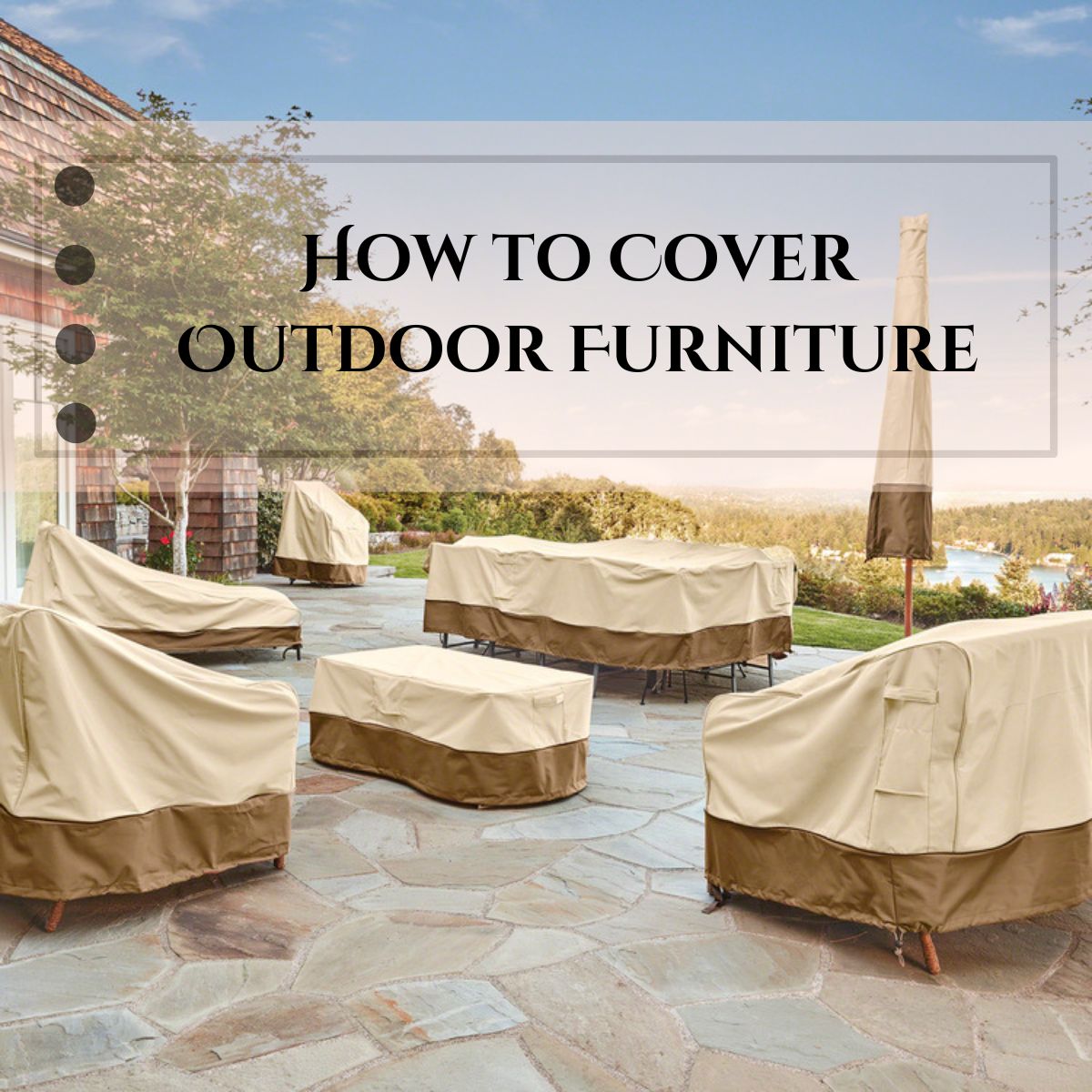
Learn how to cover patio furniture for winter with tips on choosing the right covers, cleaning, and storing cushions to protect against harsh weather.

Discover expert tips on creating a cozy and stylish outdoor living space. From choosing modern outdoor lounge furniture to incorporating unique seating like papasan chairs, transform your backyard into a perfect retreat.
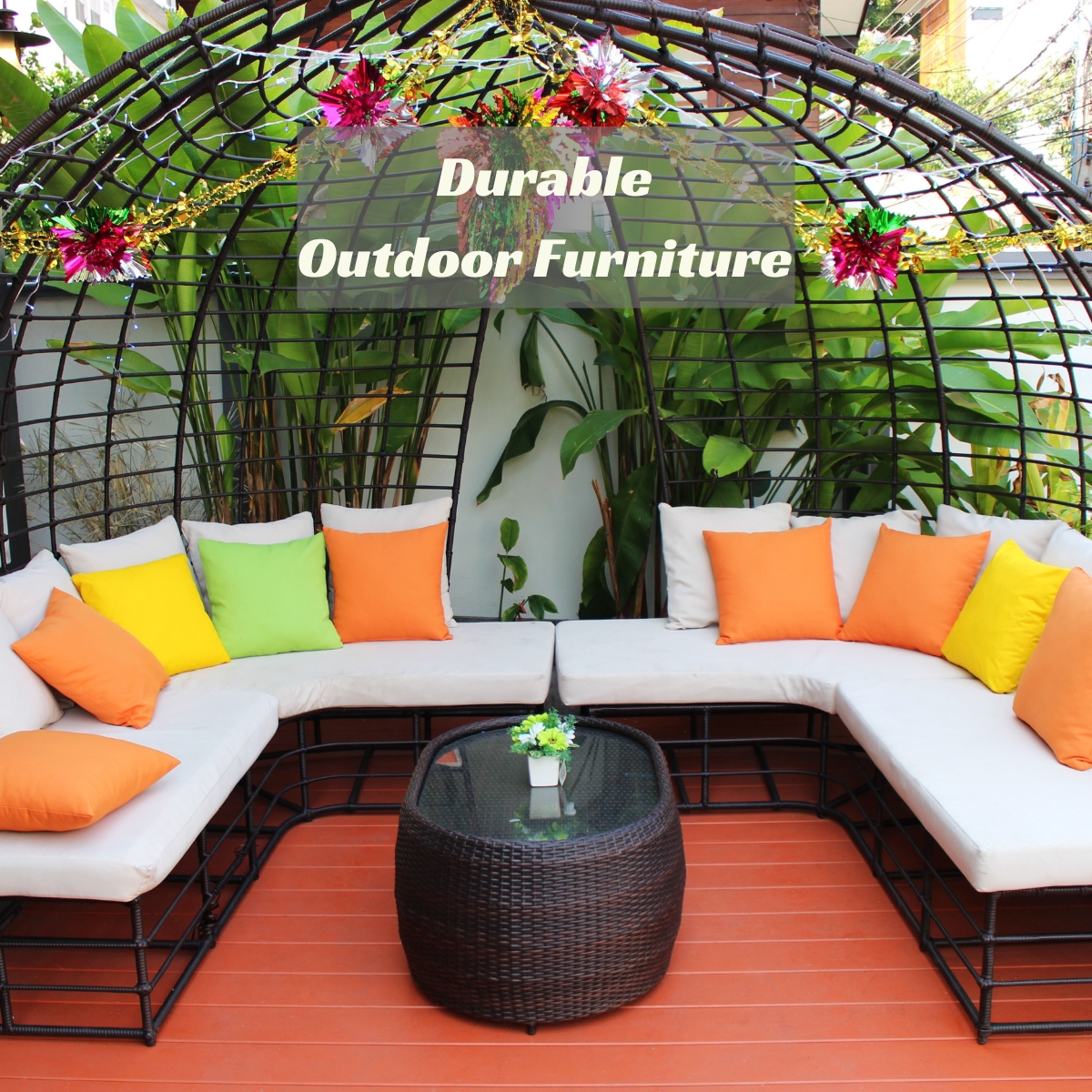
Discover the most durable patio furniture materials, including aluminum, teak, stainless steel, and Polywood. Learn how to choose long-lasting outdoor furniture.