Learning how to measure room for furniture is the single most important step before
buying any new piece. Skip it, and you risk a sofa that won't fit through the door or a dining table
that swallows your space. A few minutes with a tape measure saves hours of returns and regret.
✅
Measure your room's length, width, and ceiling height in inches. Note all
doorways, windows, outlets, and vents. Sketch a scaled floor plan, then compare
furniture dimensions (width × depth × height) to your available space, leaving 18+
inches of walkway clearance.
How to Measure a Room for Furniture in 4 Steps
Follow this simple process for how to measure space for furniture buying — accurate
from the first try:
1
Measure the Room Dimensions
Use a steel measuring tape to record length, width, and ceiling height. This tells you exactly
how to measure the size of a room at a glance.
2
Mark Doors, Windows & Outlets
Note every opening and fixed element. Include doorway width/height and nearby hallway turns —
large furniture must physically fit through.
3
Sketch a Scaled Floor Plan
Draw the room on grid paper using a 1 inch = 1 foot scale. Mark all doors, windows, and outlets
to visualize furniture placement before you buy.
4
Plan Clearance & Traffic Flow
Leave at least 18 inches for walkways and 30–36 inches for main paths so the room feels open,
not crowded.
How Is Furniture Measured?
Retailers list three dimensions — knowing how is furniture measured ensures every piece
fits perfectly:
Dimension
Meaning
Why It Matters
Width (W)
Side to side
Wall fit & furniture footprint
Depth (D)
Front to back
Walkway & traffic clearance
Height (H)
Floor to top
Window, ceiling & visual balance
💡 Pro Tip
Use painter's tape to outline furniture dimensions on the floor before buying — it's the fastest way to
visualize fit in the actual room.
Recommended Furniture Picks
🛋️Loading…
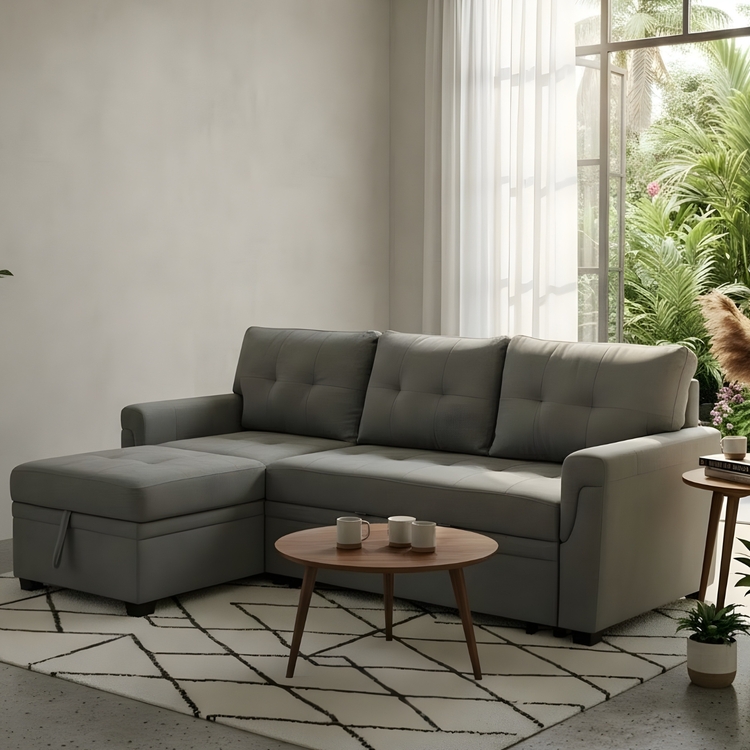
Sectional Sofa
Truva
Nest 3-in-1 Convertible Sleeper Sectional with Storage Chaise
L-shaped sleeper sectional in gray velvet with hidden storage
chaise. Measure your room's length and seating wall — this versatile piece
converts between sofa, lounger, and bed.
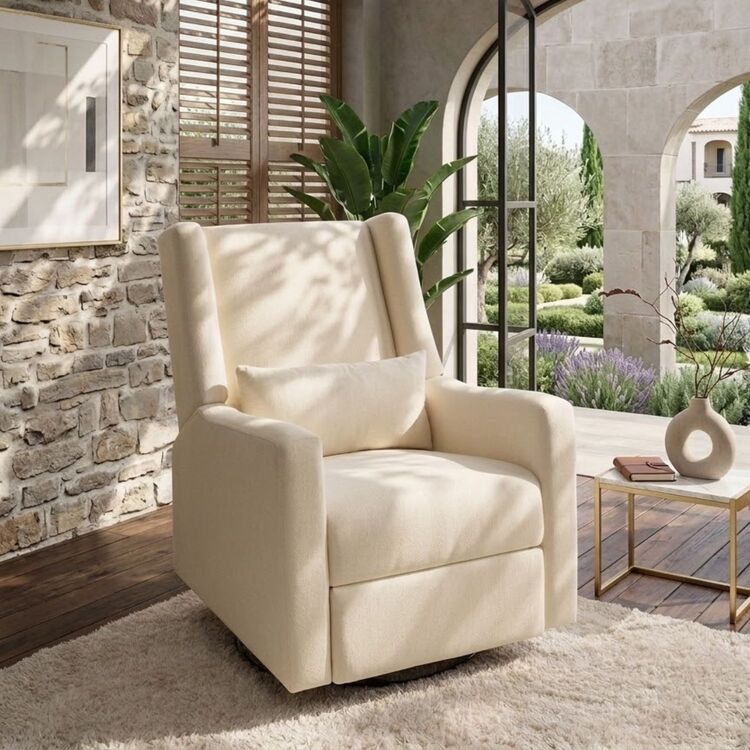
Plush linen-gray power recliner with swivel glider base.
Remember to measure your reclined depth — fully extended chairs need extra
clearance behind and in front.
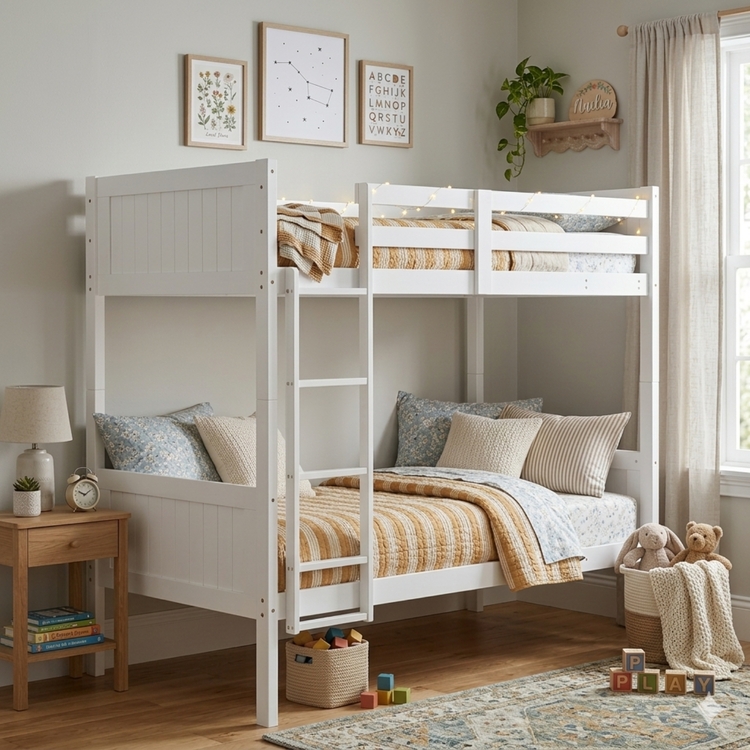
Solid wood twin-over-twin bunk bed — perfect for shared kids'
rooms. Always measure your ceiling height first; bunk beds need extra vertical
clearance for the top bunk.
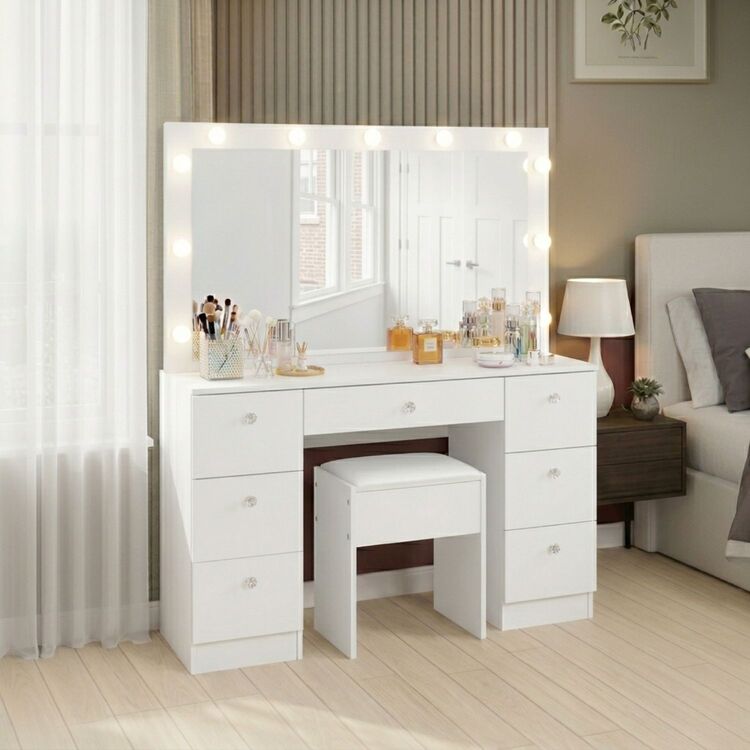
White glam vanity with built-in LED mirror, drawers, and USB
charging. Measure wall width and seating clearance — leave at least 24 inches in
front for the stool to pull out comfortably.
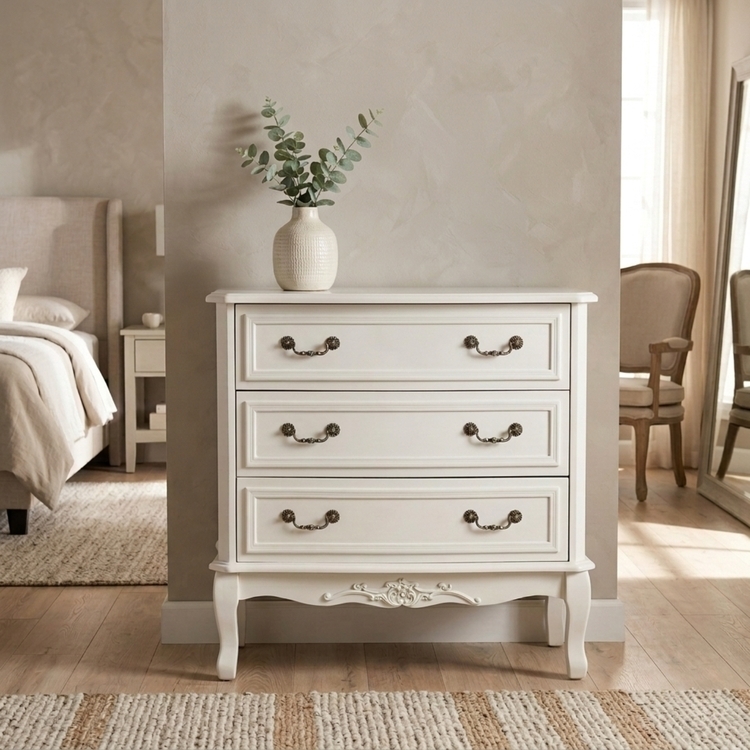
Clean white-finished 3-drawer dresser ideal for compact
bedrooms. Measure drawer pull-out depth — typically 18–22 inches — when planning
spacing along your bedroom wall.
USA-made multi-level cat condo with scratching posts for
large cats. Standing 70 inches tall, measure your ceiling height and corner space
before placing this statement piece.
Q1. How to measure a room for furniture the easy way?
Measure length, width, and ceiling height, then mark doors, windows, and
outlets on a scaled floor plan.
Q2. How much clearance should I leave around furniture?
Leave 18 inches for walkways, 30–36 inches for main traffic paths, and 14–18
inches between sofa and coffee table.
Q3. Should I measure doorways too?
Yes — always measure doorway width, height, and hallway turns to confirm large
pieces can enter the room.
Final Thoughts
Accurate measurements are the foundation of smart furniture buying. With your room dimensions,
doorway measurements, and a simple floor plan in hand, you'll shop with confidence — and every
piece will fit the first time.
Ready to Furnish Your Living Room?
Browse our full living room furniture collection — sofas, sectionals, recliners, and more, with
detailed dimensions on every product and free shipping on every order.