


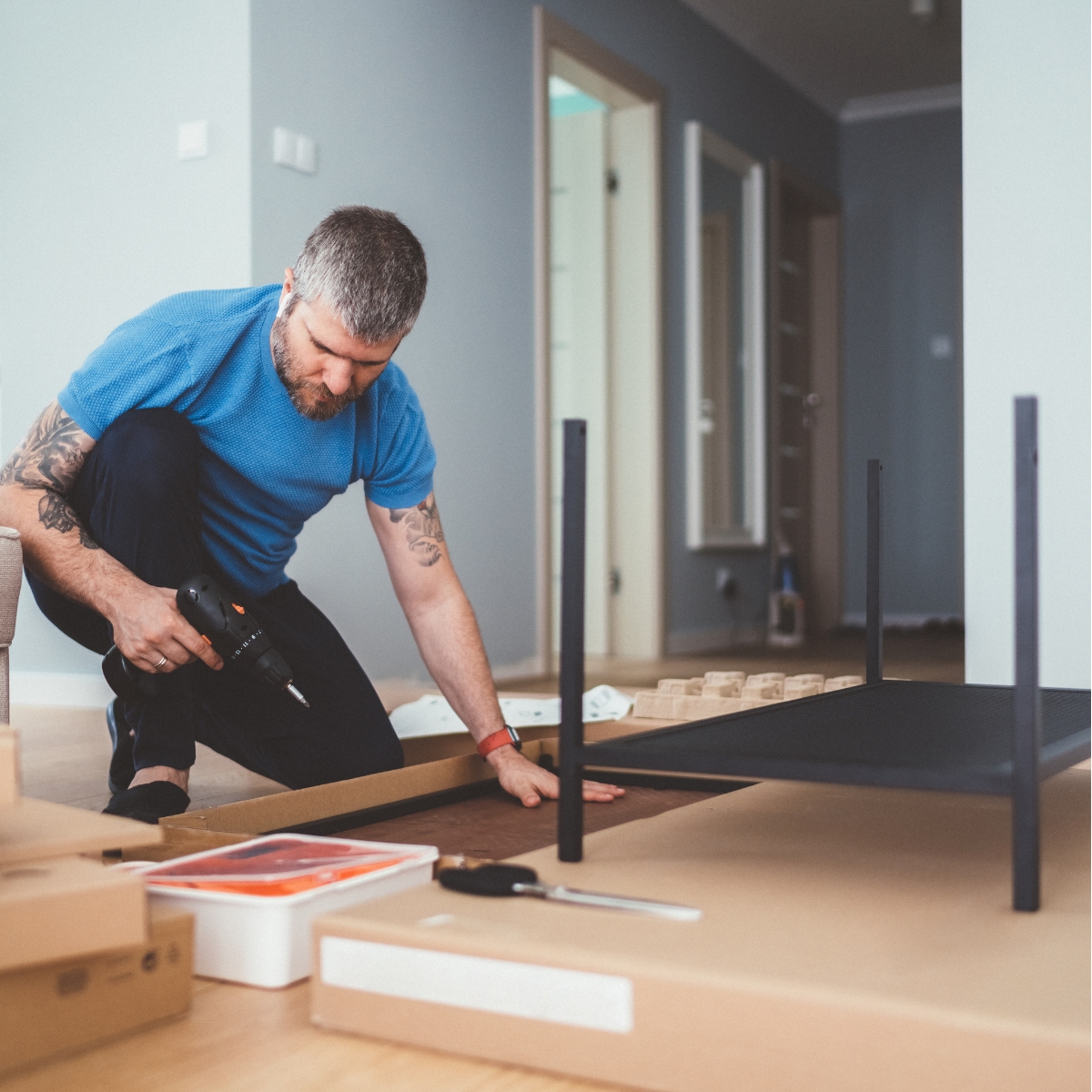
Learning how to measure room for furniture is the single most important step before buying any new piece. Skip it, and you risk a sofa that won't fit through the door or a dining table that swallows your space. A few minutes with a tape measure saves hours of returns and regret.
How to Measure a Room for Furniture in 4 Steps
Follow this simple process for how to measure space for furniture buying — accurate from the first try:
How Is Furniture Measured?
Retailers list three dimensions — knowing how is furniture measured ensures every piece fits perfectly:
| Dimension | Meaning | Why It Matters |
|---|---|---|
| Width (W) | Side to side | Wall fit & furniture footprint |
| Depth (D) | Front to back | Walkway & traffic clearance |
| Height (H) | Floor to top | Window, ceiling & visual balance |
How to Measure for Specific Furniture Types
Different furniture pieces have different clearance rules. Here's exactly how to measure space for furniture buying by category — with the numbers retailers won't always tell you.
🛋️ How to Measure for a Sofa or Sectional
A sofa is the most returned furniture item — almost always because of a measurement miss. Before buying, confirm three things:
- Wall length: Your sofa's width should leave at least 18 inches on either side for breathing room. For a 120-inch wall, cap sofa width at ~84 inches.
- Depth clearance: Standard sofa depth runs 32–40 inches. Add 18 inches in front for a coffee table and 30–36 inches for the main walkway behind — total depth budget of ~85 inches minimum.
- Doorway fit: Measure your doorway width and height. Most sofas need a 32-inch minimum doorway width. For tight hallways, check if the sofa can be tilted or if it ships with removable legs.
🛏️ How to Measure for a Bed
Bed sizing is more than just mattress dimensions. The bed frame, headboard, and surrounding clearance all eat into your room's footprint.
| Bed Size | Frame Width | Frame Length | Min. Room Size Recommended |
|---|---|---|---|
| Twin | 39 in | 75 in | 9 × 10 ft |
| Full | 54 in | 75 in | 10 × 12 ft |
| Queen | 60 in | 80 in | 10 × 12 ft |
| King | 76 in | 80 in | 12 × 14 ft |
- Side clearance: Leave a minimum of 24 inches on at least one side for easy bed-making; 30 inches is ideal on both sides.
- Footboard clearance: Allow 36 inches between the foot of the bed and the nearest wall or dresser — this doubles as a main traffic path.
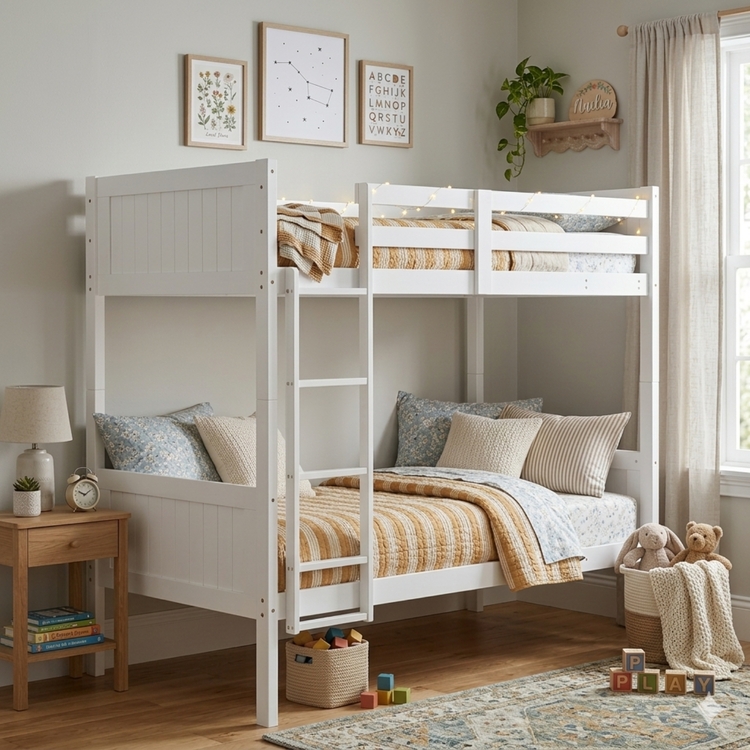
- Bunk beds: Always measure ceiling height first. The top bunk mattress surface typically sits 60–65 inches off the floor — add 24–30 inches of headroom above that, meaning you need at least an 8-foot ceiling.
🍽️ How to Measure for a Dining Table
A dining table needs room not just for itself, but for every chair — fully pulled out with someone seated in it.
- Pulled-out chair depth: A dining chair needs about 18–20 inches when pushed in, and 36 inches when pulled out with a person seated. This means a 36-inch-wide table needs a room at least 108 inches (9 ft) wide to feel comfortable.
- Walkway behind seated guests: Add another 24 inches behind pulled-out chairs for someone to walk past without squeezing.
- Table shape tip: Round tables save space in square rooms — a 48-inch round table fits comfortably in a 9 × 9 ft dining area where a rectangular table of the same seating capacity would feel cramped.
🗄️ How to Measure for a Dresser
Dressers are often an afterthought — until a drawer won't open because the bed is in the way.
- Drawer pull-out clearance: Most dresser drawers extend 18–22 inches when fully open. Measure from the dresser face to any opposite furniture or wall and ensure you have at least 24 inches of clear space.
- Wall width: Standard 3- to 6-drawer dressers range from 30 to 72 inches wide. Leave 3–6 inches on each side against a wall for air circulation and easy cleaning.
- Height vs. window sill: If placing a dresser under or near a window, measure the sill height. Most dressers run 30–50 inches tall — a low sill can block natural light or create an awkward visual if the dresser is taller.
- Mirror clearance: If your dresser includes a mirror attachment, add 30–40 inches to the base height and verify it won't hit a ceiling fan, light fixture, or low ceiling.
How Much Clearance Should You Leave Around Furniture?
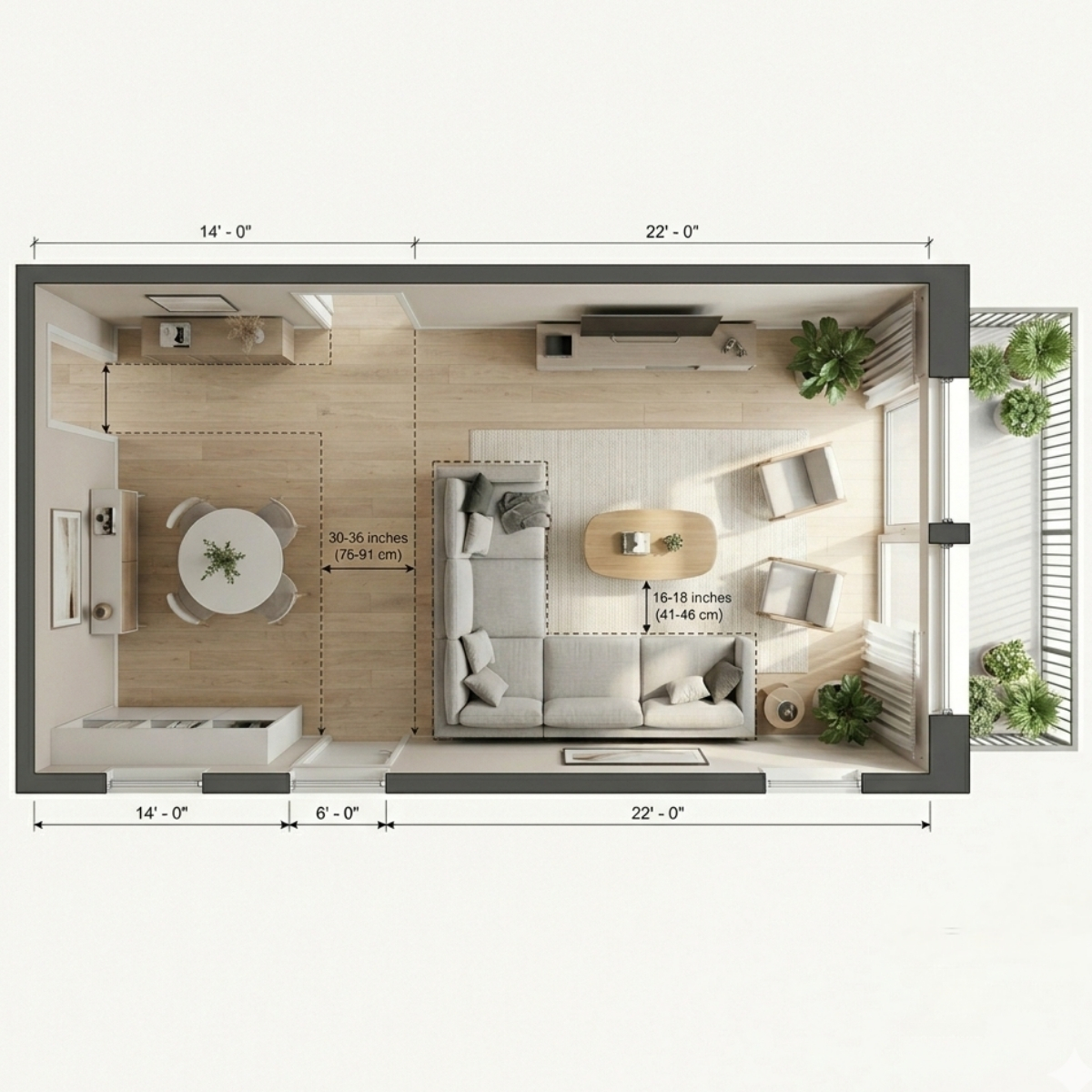
Clearance is the invisible architecture of a comfortable room. Without it, a beautifully chosen sofa feels claustrophobic and dining feels cramped. Use these benchmarks before placing your order:
- Main walkways: 30 to 36 inches.
- Minor walkways: 18 to 24 inches.
- Sofa to coffee table: 16 to 18 inches.
- Between facing seats: 3.5 to 10 feet for easy conversation.
- Behind dining chairs: 24 inches minimum to stand up.
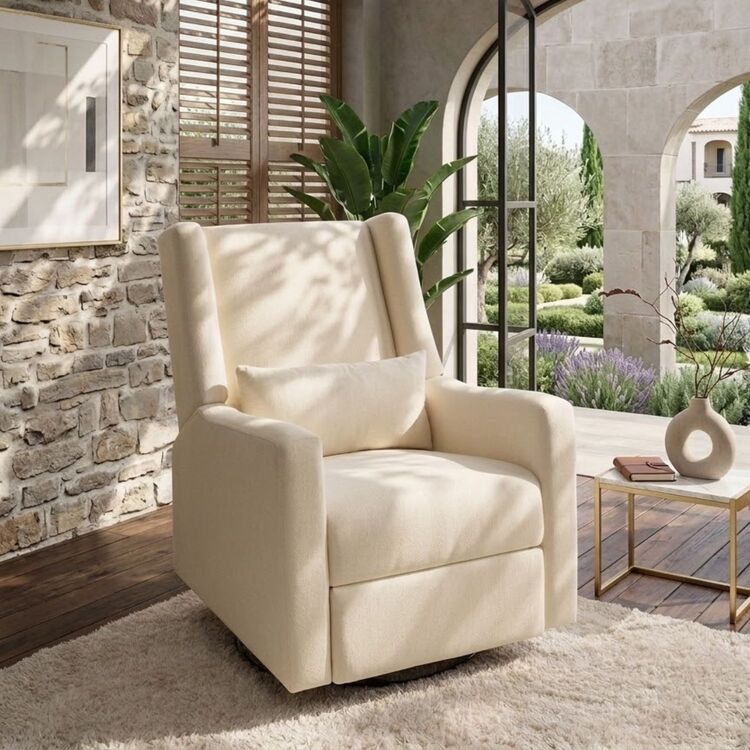
- In front of a recliner: add 18 to 24 inches for fully reclined depth.
- In front of dressers: drawer pull-out depth (18 to 22 inches) plus 12 inches.
Don't Forget the Delivery Path
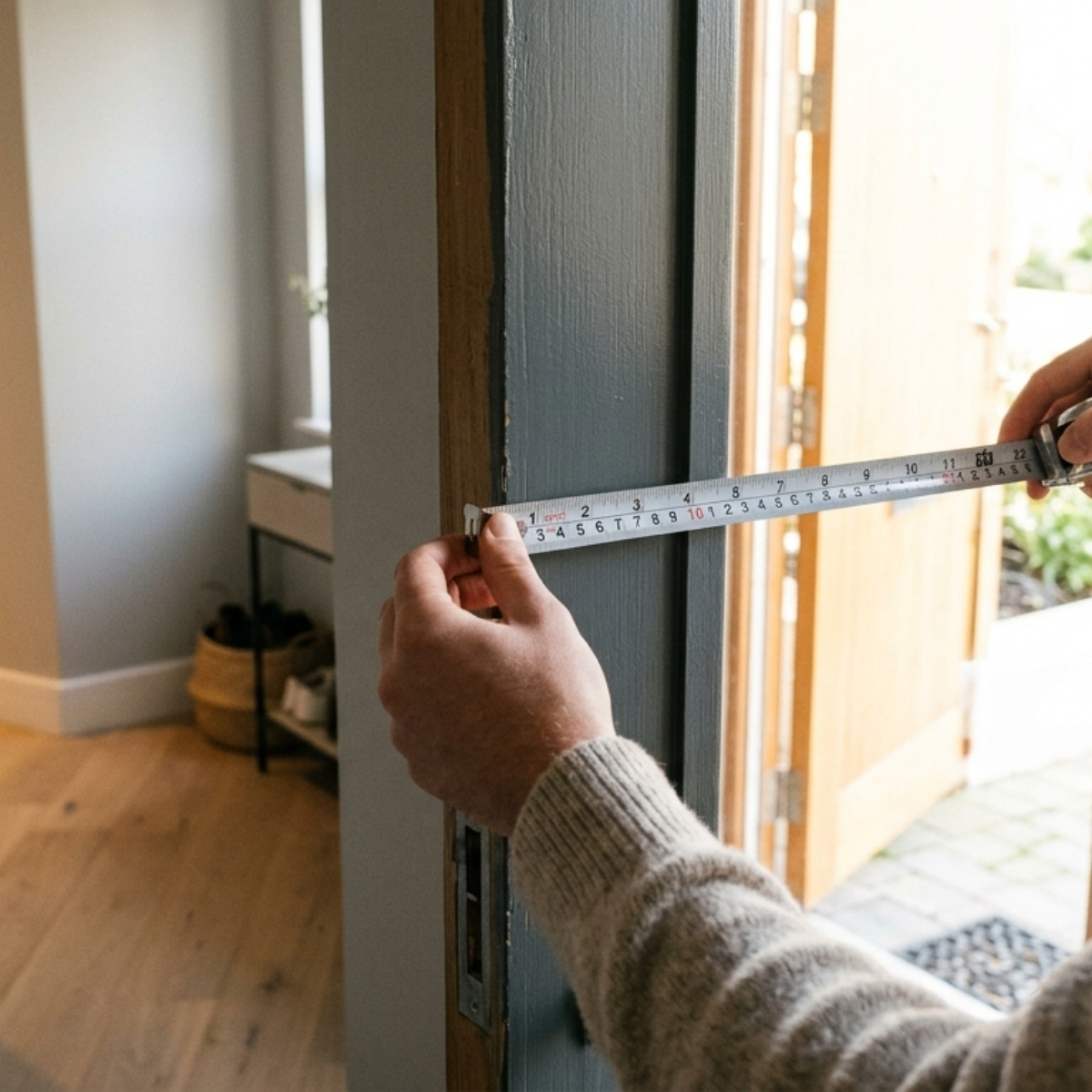
Walk the entire delivery route from the front door to the final placement and record:
- Front door: width, height, and diagonal opening when fully open.
- Hallways: width at the narrowest point.
- Corners and turns: diagonal across the turn (this is what trips up most sectionals).
- Stairs: width, ceiling height above the lowest landing, and any railing intrusion.
- Elevators (apartments): interior width, depth, and door opening height.
5 Common Room-Measuring Mistakes to Avoid
Recommended Furniture Picks
Frequently Asked Questions (FAQ)
Q1. How to measure a room for furniture the easy way?
Q2. How much clearance should I leave around furniture?
Q3. Should I measure doorways too?
Q4. What tools do I need to measure a room for furniture?
Q5. Do I need to measure ceiling height before buying furniture?
Q6. How do I use painter's tape to test furniture fit?
Q7. What does W × D × H mean on furniture listings?
Q8. What is the biggest mistake people make when measuring a room?
Final Thoughts
Accurate measurements are the foundation of smart furniture buying. With your room dimensions, doorway measurements, and a simple floor plan in hand, you'll shop with confidence — and every piece will fit the first time.
Ready to Furnish Your Living Room?
Browse our full living room furniture collection — sofas, sectionals, recliners, and more, with detailed dimensions on every product and free shipping on every order.
Shop Living Room Furniture