Benefits of Using a Recliner for Comfort and Health
Discover how the right recliner size improves back pain relief, circulation, and mental well-being.

Finding the right recliner isn't just about style or comfort; it's also about selecting the right size to match your space and body type. A poorly sized recliner can lead to discomfort, improper support, or even cramped living spaces. This sizing guide will walk you through how to measure recliner dimensions, offer expert tips, and help you choose the perfect recliner fit for your home.

Whether you are looking for a wall-hugger recliner for a small apartment or an oversized model for a tall family member, understanding measurements like seat depth, width, and clearance will ensure you make a smart investment. Let's dive into the details.
Recliner dimensions include width (arm to arm), height (floor to top), and depth (front to back). Standard measurements average 30-40" wide, 40-50" tall, and 35-42" deep. These dimensions are perfect for most living rooms and average body types, ensuring you get proper lumbar support without overwhelming your floor space.
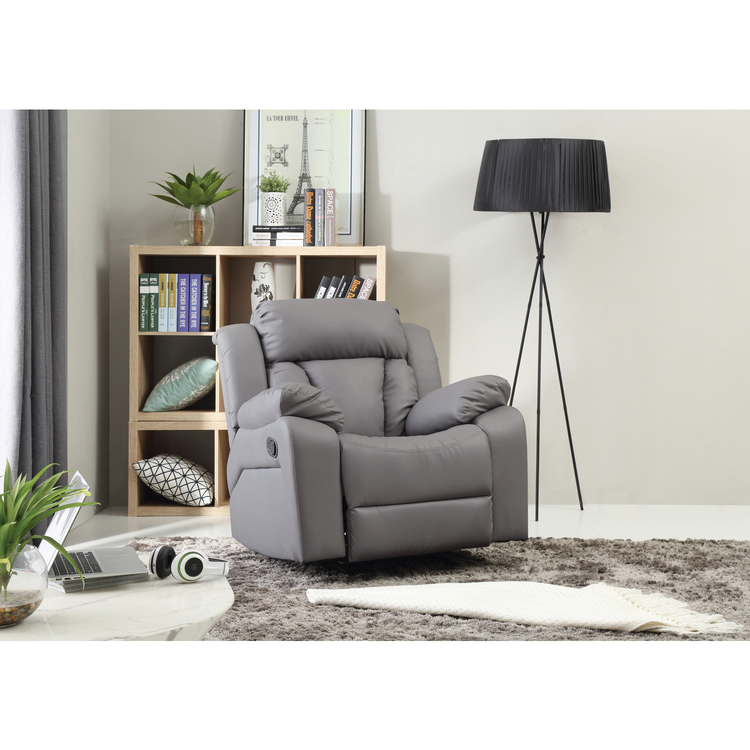
| Recliner Type | Width (in) | Height (in) | Depth (in) |
|---|---|---|---|
| Small / Petite | 25-30 | 38-40 | 35-38 |
| Medium / Standard | 30-35 | 40-45 | 38-41 |
| Large / Oversized | 35-45 | 45-50 | 41-44 |
Use this chart to match your room size. Small recliners suit tight corners, while large options offer sprawling comfort for tall users or home theaters. The average recliner width for a standard chair is about 32-34 inches.
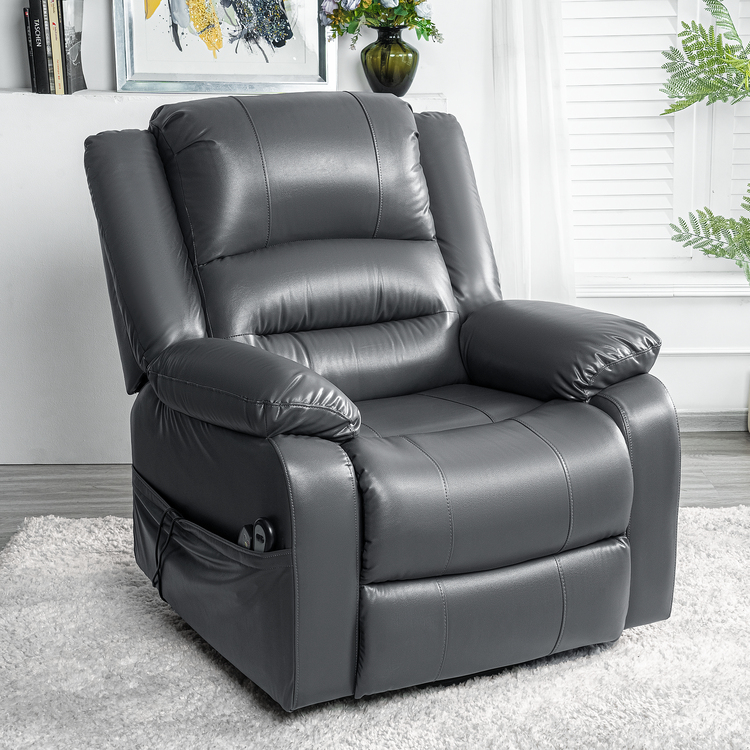
Measure your room's length, width, and doorway clearance. Always leave 5-10 inches behind the chair for full recline. Wall-hugger recliner designs need only 2-3 inches from the wall, saving precious floor space. Don't forget to measure the diagonal height of your doorframe to ensure hassle-free delivery.
For tall users (over 6'0"): choose seat height 22-24", backrest 45"+ and seat depth 22-24". Shorter users (under 5'5"): look for lower seat height (18-20") so feet rest flat on floor. Proper sizing prevents knee strain and enhances circulation.
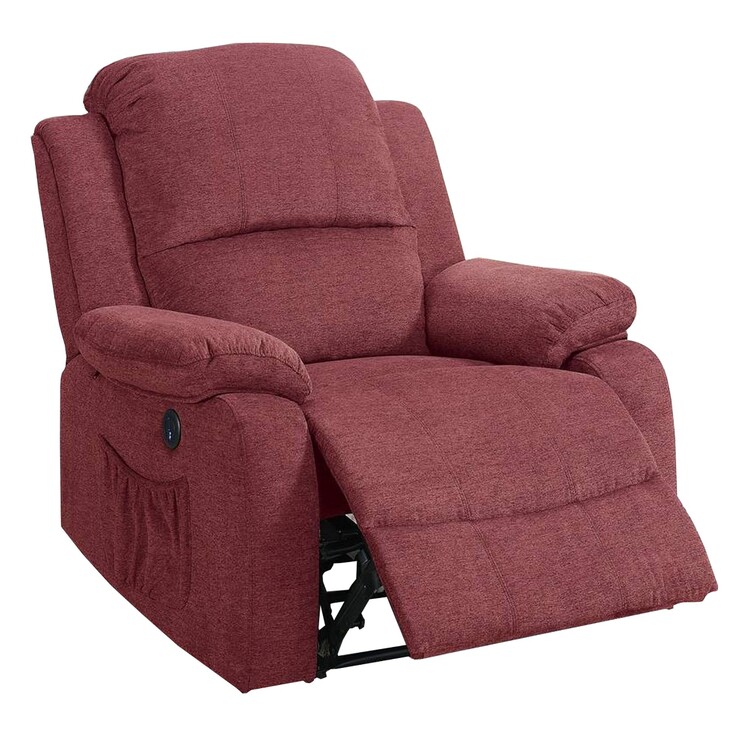
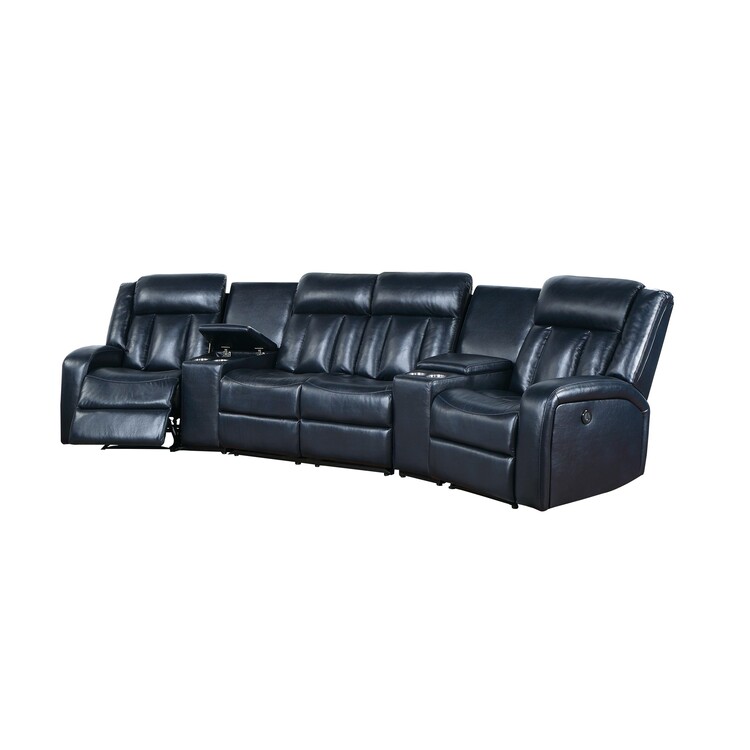
Living rooms: large recliners or double recliners. Bedrooms: compact wall-hugger models. Home theaters: multi-seater recliners or loveseats with cup holders for immersive entertainment. Always account for traffic flow around the recliner.
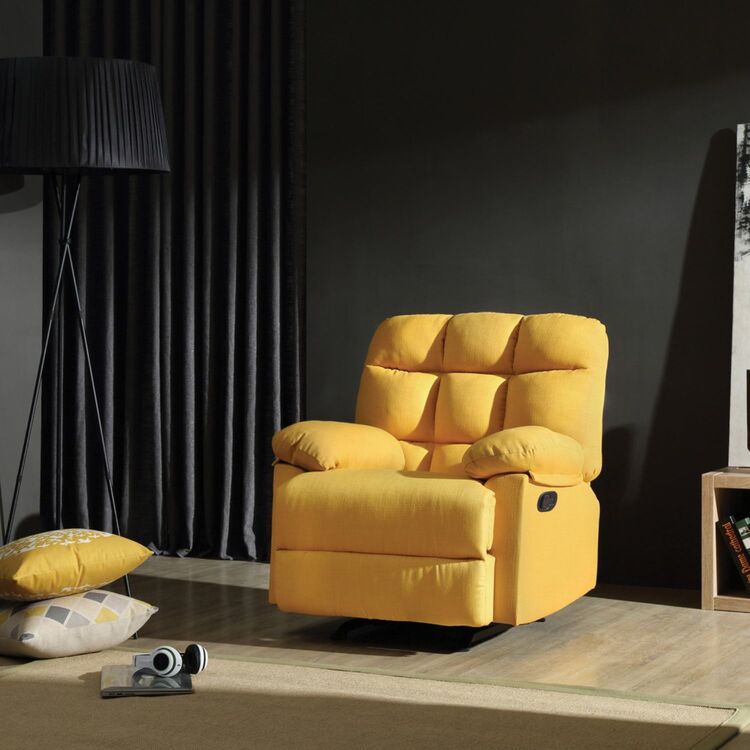
Small: width 25-30", height 38-40" (best for petite frames). Medium: 30-35" width, 40-45" height (standard for most adults). Large: 35-45" width, 45-50" height (oversized comfort). Match these to your body frame and room proportions.
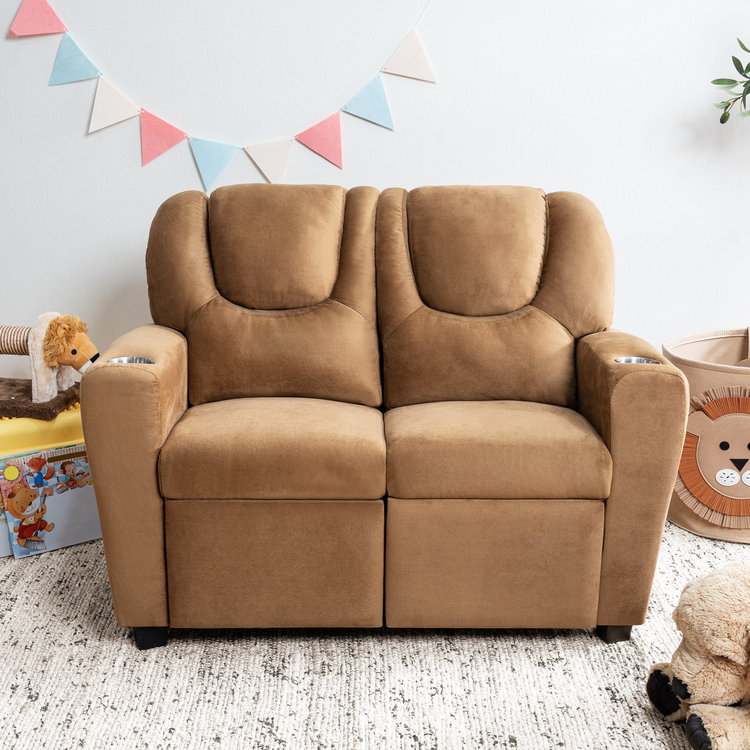
Check seat height (feet flat on floor), backrest support (spine alignment), and seat depth (thigh support without knee pressure). Test before buying to ensure your body feels naturally aligned. A well-fitted recliner reduces back pain and improves relaxation.
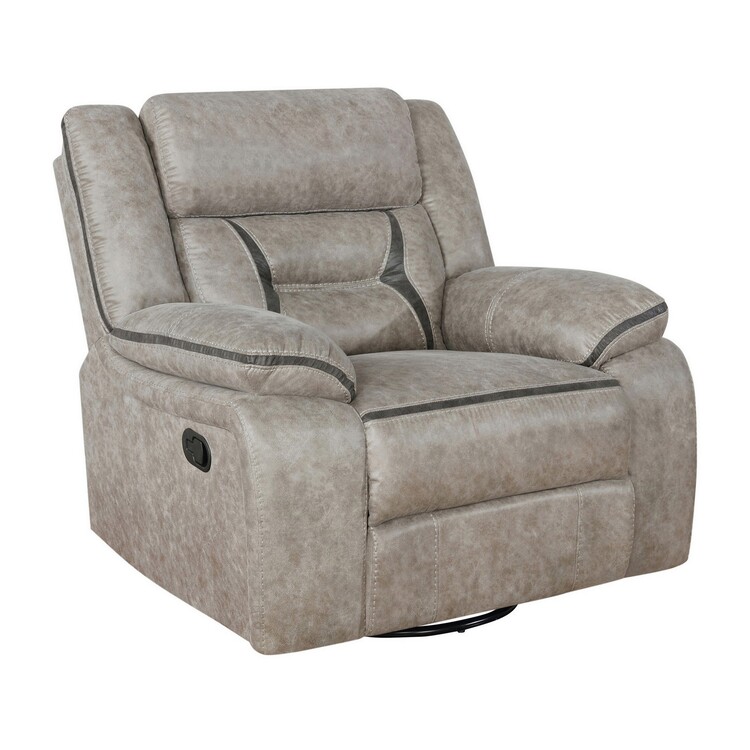
Wall-hugger recliners need only 2-3 inches from the wall. Compact armless models or slim-profile designs maximize floor space. Dual-purpose recliners with storage add functionality without extra footprint.
Industry standard ranges: seat height 18-22", seat width 20-30", seat depth 20-24", backrest height 40-50". Weight capacity typically 250-350 lbs; heavy-duty models support up to 500 lbs. Always verify the product specifications before ordering.
Measure from the back of your knee to your lower back, then add 1-2 inches. Ideal seat depth prevents the front edge from pressing behind your knees while fully supporting your thighs. This ensures long-term sitting comfort.
Finding the perfect recliner combines personal body dimensions, room size, and understanding standard measurements. Whether you need a recliner for tall people or a compact model for cozy corners, paying attention to width, depth, and height ensures a chair that fits both your body and your home perfectly.
Always cross-reference the manufacturer's specs with your room measurements. A well-fitted recliner reduces back strain, improves circulation, and turns any space into a relaxation zone.

Discover how the right recliner size improves back pain relief, circulation, and mental well-being.

Learn expert tips for measuring rooms, selecting materials, and matching recliner dimensions to your home layout.