 OJCommerce
The Ultimate Back to School Shopping Guide 2025
Expert Strategies for Smart Parents
OJCommerce
Expert Strategies for Smart Parents

Here's the truth about timing that most families learn the hard way: when you shop matters more than where you shop.
Retail pricing data shows this is when you'll find the deepest discounts (25-35% savings compared to late August).
Families save an average of $67-89 during these events, with larger families potentially saving over $200.
Prices spike 15-25% in the final two weeks before school starts as inventory dwindles.
National Retail Federation data shows families shopping during the July 15-28 window save an average of $150-300 compared to late August shoppers for identical items.
Let's look at realistic numbers based on what families typically spend, so you can plan your purchases smartly.
| Grade Level | Budget Range | Key Expenses |
|---|---|---|
| Elementary School (K-5) | $450-$650 per child | Basic supplies ($150-200), clothing ($200-300), and miscellaneous items |
| Middle School (6-8) | $550-$750 per child | Scientific calculators ($80-120), technology needs increase |
| High School (9-12) | $700-$1,100 per child | AP course materials, specialized equipment, brand-conscious clothing |
| College Students | $1,200-$2,000 | Dorm essentials, textbooks, technology (varies by living situation) |
Basic supplies ($150-200), clothing ($200-300), and miscellaneous items
Scientific calculators ($80-120), technology needs increase
AP course materials, specialized equipment, brand-conscious clothing
Dorm essentials, textbooks, technology (varies by living situation)
College Board research shows each AP course requires additional materials averaging $78. Plan accordingly if your student is taking advanced classes.
Start with your school's official supply list - this isn't optional. But here's what teachers and educational research tell us actually matters:
Research from the American Federation of Teachers shows students perform better with quality organizational tools.
University of Virginia research shows students with proper planners and organizational supplies score 12-18% higher on tests.
The shift to digital learning accelerated significantly post-2020. Based on surveys of local school districts:
When it comes to clothing, quality basics often outperform trendy pieces.
Buy clothes slightly larger. Children grow unpredictably, and a slightly loose shirt in August often fits perfectly by November.
These strategies are proven through real-world results and hands-on experience:
Proven shopping data shows this allocation delivers consistent savings:
Families following this rule report an average savings of $180 per child annually.
Community shopping groups regularly achieve significant discounts. One cooperative of 12 families saved 40% on consumable supplies by purchasing classroom-size quantities together and splitting the cost.
Household inventory checks consistently reveal savings opportunities. Studies show families already own 15–20% of their “needed” items. In one example, a home audit uncovered $67 worth of unused supplies from previous school years.
Research and real-world results reveal these frequent back-to-school shopping errors:
Families who skip a detailed shopping list overspend by an average of 34%. The most cost-effective approach starts with the school's official supply list, sticking to it closely, and separating "needs" from "wants" for better budget control.
Parent-only shopping trips cost 28% less than outings with children. Kids are naturally drawn to trendy, non-essential items that drive up the bill.
Many store-brand supplies match the quality of name brands while costing 30-50% less. For most basic items, the performance difference is minimal, making them a smart choice.
Buying your back-to-school supplies online helps you stick to your list, compare prices instantly, and avoid impulse purchases—especially when shopping without the kids. Explore great deals and quality essentials at OJCommerce.
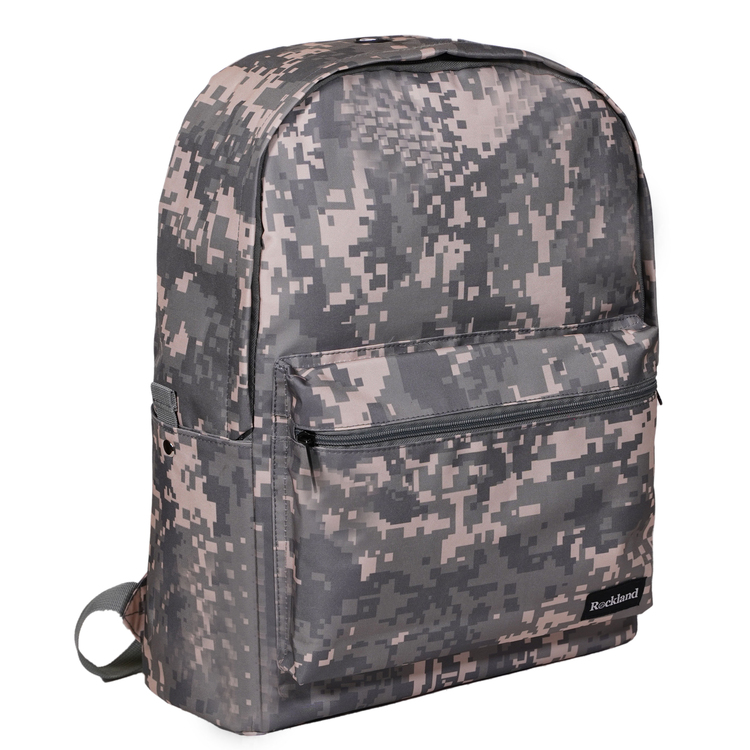
Ergonomic design with multiple compartments and laptop sleeve. Water-resistant material with lifetime warranty.
Shop Backpacks & Bags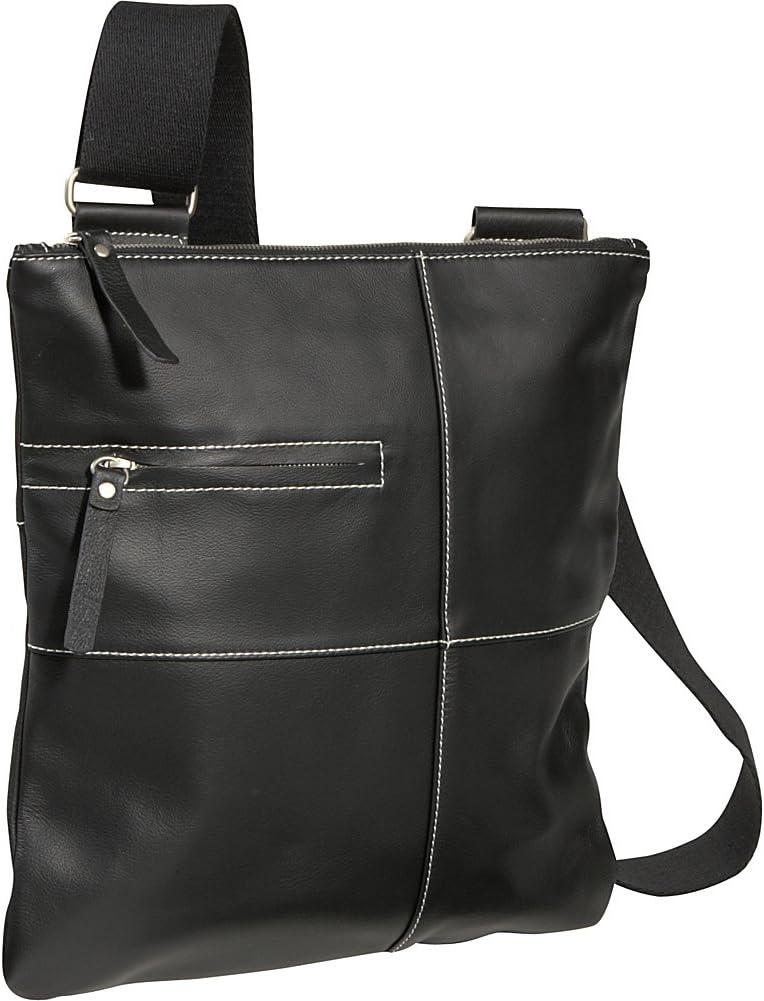
Equipped with an adjustable cotton shoulder strap, making it easy to wear as a cross-body or over the shoulder.
View All Bags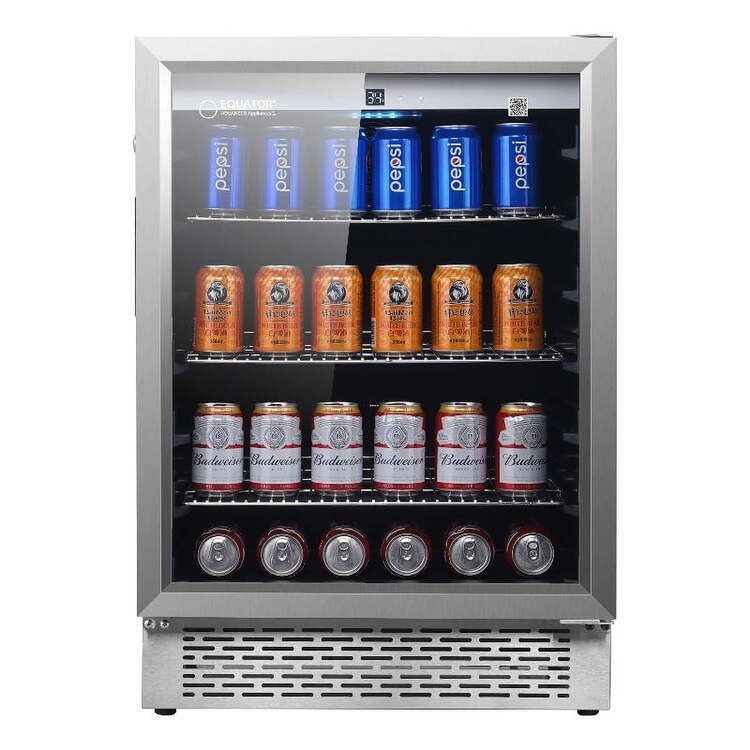
Energy-efficient 3.2 cu. ft. mini fridge with separate freezer compartment.
Shop Dorm Fridges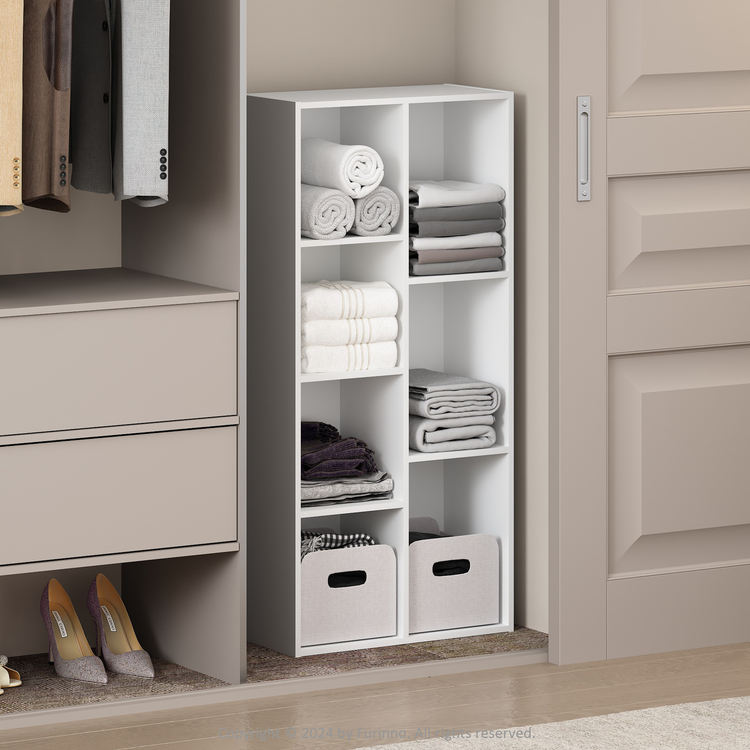
Multi-functional storage solution with shelves, drawers, and hanging space.
View Dorm Essentials
Maximize your dorm room study space with smart desk organizers that keep books, stationery, and gadgets neatly in place.
Shop Desk Accessories
Breathable compartment for gym clothes and shoes with separate pockets.
Shop Sports BagsData from years of shopper behavior shows that following a month-by-month plan can maximize savings and reduce last-minute stress:
Set your preliminary budget and track early sales. Take inventory of any leftover supplies from last year.
Shop early bird deals for non-urgent items like backpacks, lunchboxes, and desk organizers.
Take advantage of summer clearance sales on clothing. Stock up on versatile basics that work year-round.
Complete supply lists during tax-free weekends. Prioritize tech items and classroom essentials.
Purchase only forgotten or last-minute items. Avoid major buys outside of sales windows.
Smart back-to-school shopping isn’t about chasing the lowest price—it’s about timing purchases, budgeting strategically, and buying what students truly need.
Studies show that preparation and timing have a greater impact on savings than store choice or brand loyalty.
Start early, stick to your list, and focus on giving your child the tools for academic success—not simply buying into premium brands.