


5 Things to Check Before Buying a Garden Bench for Outdoor Use
Choosing the perfect garden bench can elevate your outdoor space. Discover 5 essential factors to consider before buying, from material and durability to comfort and weather resistance.

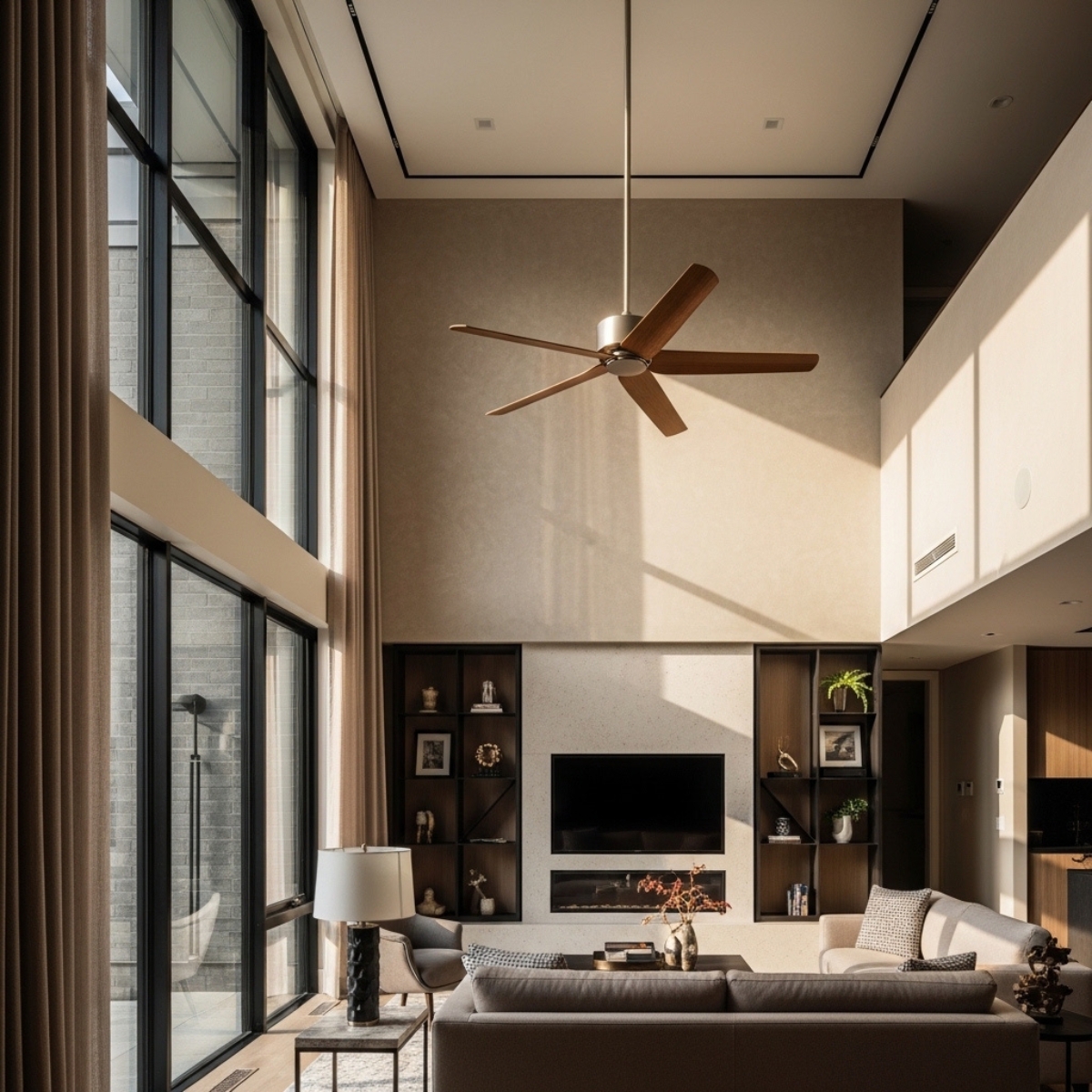
Ceiling fans continue to be one of the most cost‑effective, energy‑efficient, and stylish cooling solutions for Australian homes. Whether you're upgrading a single room, renovating your entire property, or fitting out a new build, choosing the right fan can significantly improve comfort while reducing electricity costs.
This comprehensive ceiling fan buying guide is designed for: homeowners upgrading living spaces, renters looking for affordable cooling, renovators selecting fixtures for modern interiors, and property investors seeking energy‑efficient improvements.
In this guide, you’ll learn: how to choose a ceiling fan, how to size a fan correctly, the different types of ceiling fans, ceiling fan cost breakdown, installation requirements (including angled ceilings), maintenance tips, troubleshooting, and lifespan expectations. Let’s get started.
With rising energy costs, many homeowners are looking for ways to stay comfortable without running air conditioning constantly. Ceiling fans offer an elegant solution that works year‑round.
Ceiling fans remain one of the smartest investments for year‑round comfort. Energy savings vs air conditioning (10–75 watts vs 2,000W+), improved air circulation, reversible motors for summer/winter, budget‑friendly, and aesthetic upgrade.
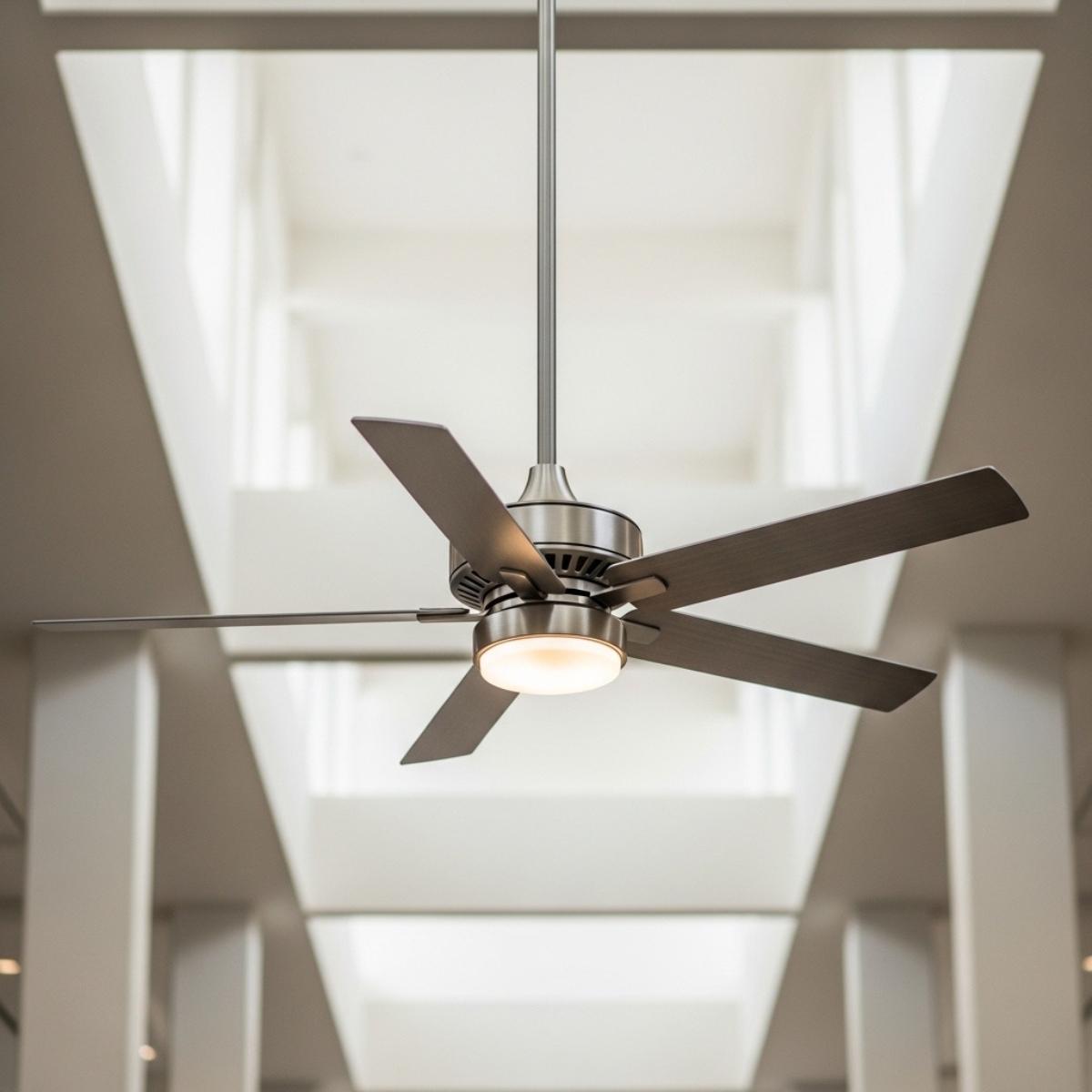
If you’re wondering how to choose a ceiling fan, focus on these key factors: room size & airflow (CFM), ceiling height, motor type (AC vs DC), with/without light, indoor/outdoor rating. Modern DC motor fans, for instance, offer greater energy efficiency and quieter operation — models like the Wind River Droid LED exemplify this technology.
AC motors: affordable, reliable, fewer speeds. DC motors: up to 70% more efficient, quiet, 6+ speeds, higher upfront cost. DC is worth considering for energy savings.
Proper sizing ensures optimal airflow. Blade span measured tip to tip. Room size chart:
| Room size | Recommended fan size |
|---|---|
| Up to 10m² | 42–48 inch |
| 10–20m² | 48–52 inch |
| 20–35m² | 52–60 inch |
| 35m²+ | 60 inch+ |
Ceiling height rules: minimum 2.1m from floor to blades, minimum 30cm from ceiling to blades (unless low‑profile).
Standard, low‑profile (hugger), downrod, smart, outdoor, and single blade ceiling fans – a modern architectural option with aerodynamic efficiency. Among contemporary designs, the Tiffany Taliko 3‑light fan stands out for its unique look, while traditionalists often prefer the Homestock 52" traditional for its timeless appeal.
Yes: convenience, dimmable LED, timer, smart home integration (Google Home/Alexa). Ideal for bedrooms and living areas. For those seeking smart features, the Sirius Wi‑Fi fan integrates seamlessly with voice assistants.
Single blade fans are sleek and aerodynamic. Expect mid‑range to premium pricing. Always check motor type, CFM, and ceiling compatibility.
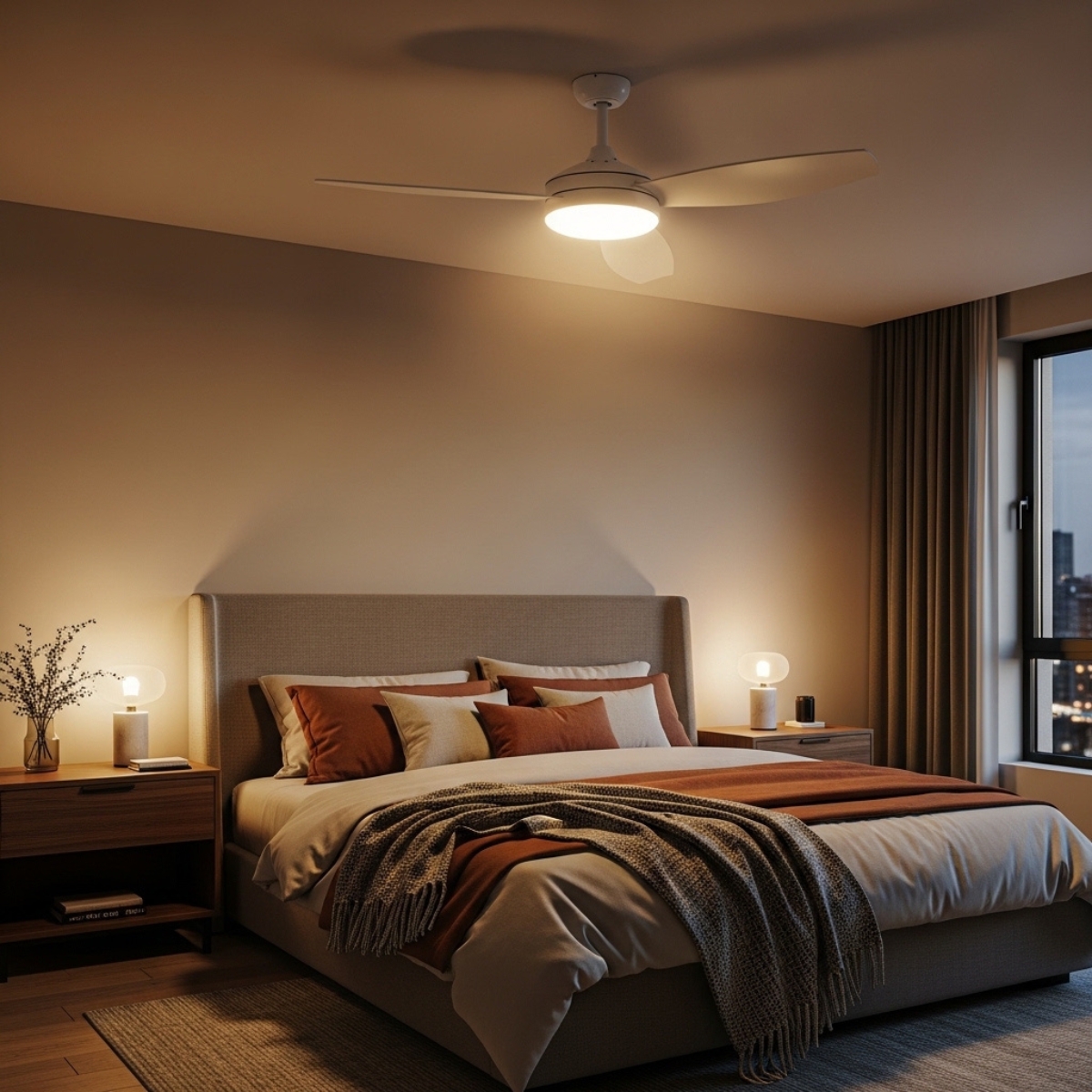
For outdoor areas, look for damp‑rated fans such as the Courtyard outdoor fan, which combines durability with style.
Flush mount for low ceilings, downrod for high, angled ceiling adapter for sloped. Always turn power off. Hire a licensed electrician if no existing wiring. The Wind River Delta is an example of a versatile flush‑mount model suitable for both indoor and covered outdoor spaces.
Common causes: tripped breaker, capacitor failure, motor issues, remote battery. Quality fans last 8–15 years. Replace if persistent wobble, loud noise, or electrical faults.
Use microfiber dusters or blade sleeves every 2‑3 months. Tighten screws, reverse direction seasonally, test remote batteries.
How high should a ceiling fan be from the floor? 2.1–2.7 metres.
Do ceiling fans use a lot of electricity? No, 10–75 watts.
Is a 3‑blade or 4‑blade fan better? Airflow depends on motor; 3‑blade often more aerodynamic, 4‑blade slightly quieter.
Can you install on an angled ceiling? Yes, with an angled ceiling adapter.
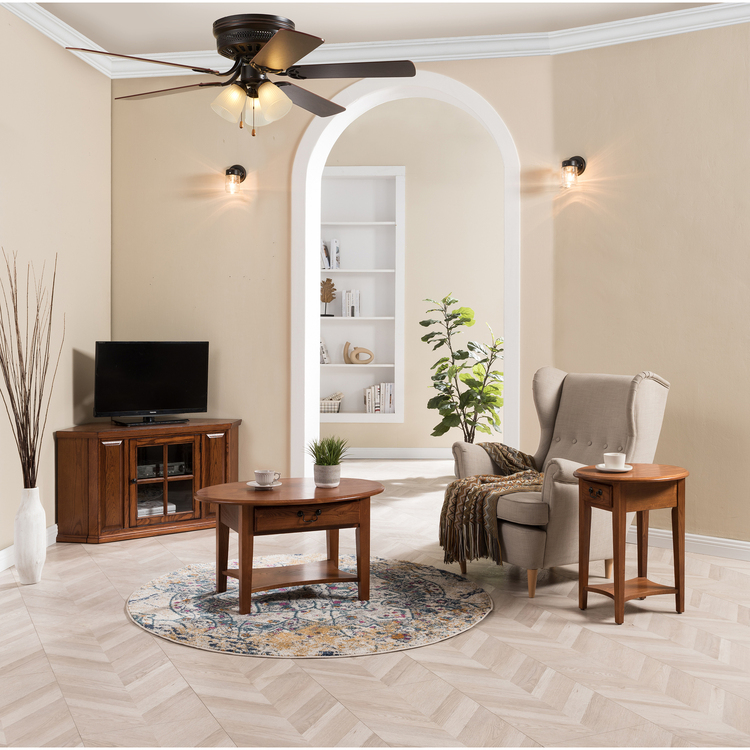
Stay cool and stylish all year with this sleek, versatile ceiling fan!
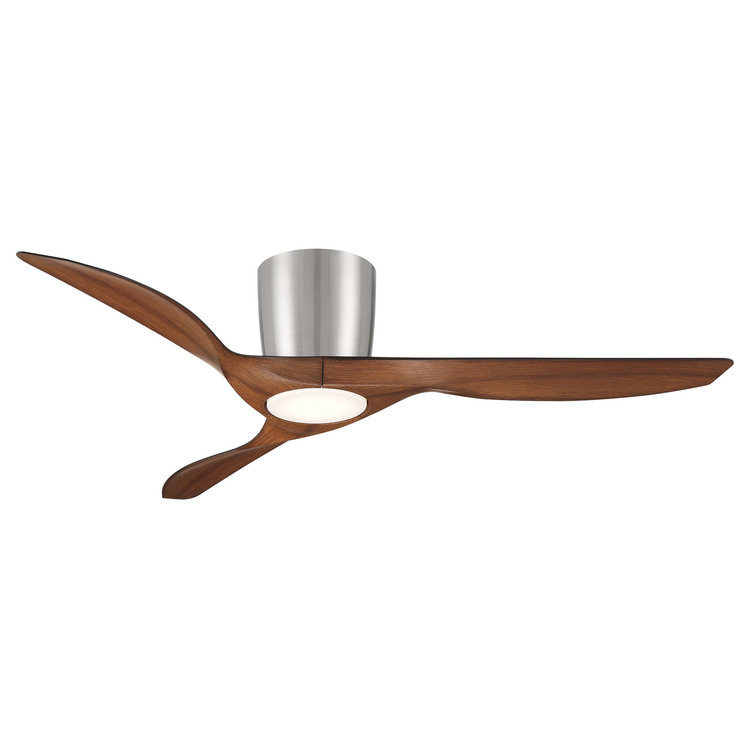
Control comfort effortlessly—smart features and LED lighting for any space!
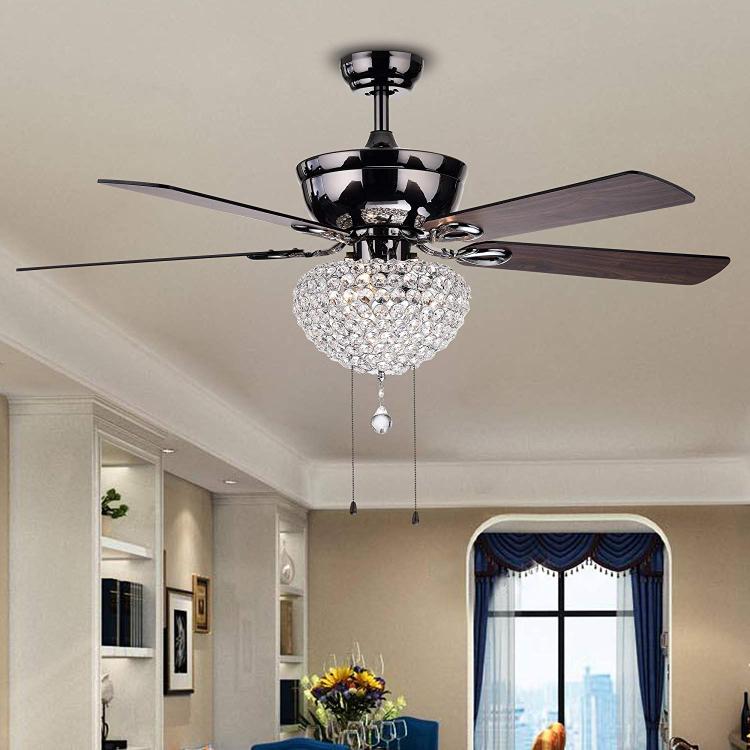
Elegant design with crystal shade and reversible blades for year-round comfort!

Choosing the perfect garden bench can elevate your outdoor space. Discover 5 essential factors to consider before buying, from material and durability to comfort and weather resistance.

Confused about patio umbrella sizes? Learn how to pick the perfect fit for your outdoor space to ensure style, shade, and comfort all year round.

Struggling to decide between budget and premium furniture? Discover key tips to choose pieces that balance quality, style, and value for your home.