


Getting ready for the school year? One of the biggest challenges students and parents face is creating a productive study environment in a limited space. Whether your child is settling into a dorm room, sharing a bedroom with a sibling, or transitioning to college life in a small apartment, the right back to school furniture can make all the difference. The key to maximizing a small student bedroom isn't about buying more—it's about buying smarter.
By choosing space-saving furniture for small student bedrooms, you can create a functional, organized study area that supports focus and productivity without eating up precious floor space. This comprehensive guide walks you through 10 strategic furniture ideas that transform tight quarters into efficient learning zones, complete with storage solutions and ergonomic study setups that students actually want to use.
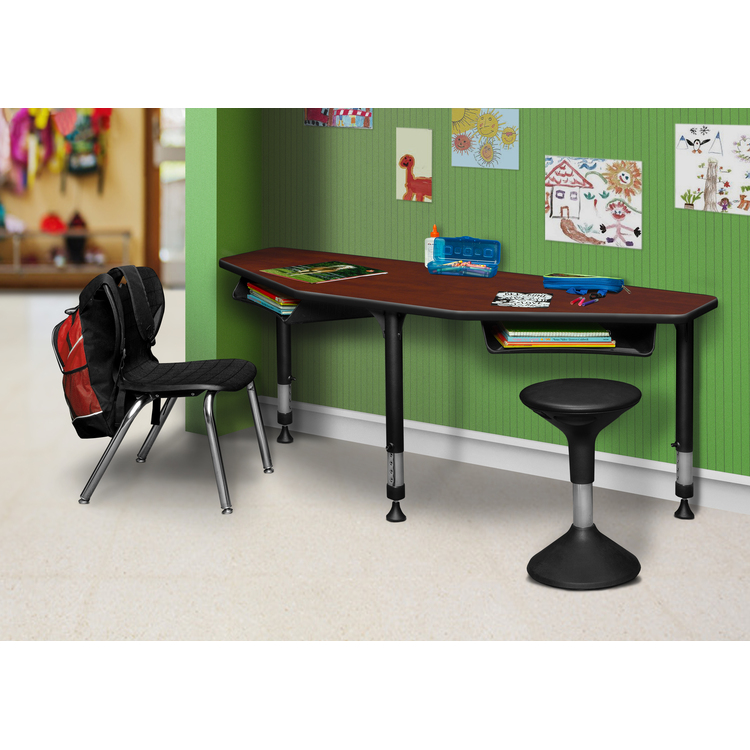
Why Space-Saving Furniture Matters for Students
Small bedrooms and dorm rooms present real challenges—but they also present real opportunities. When space is limited, every piece of furniture needs to earn its place. The right choices create a ripple effect that improves student life across multiple dimensions.
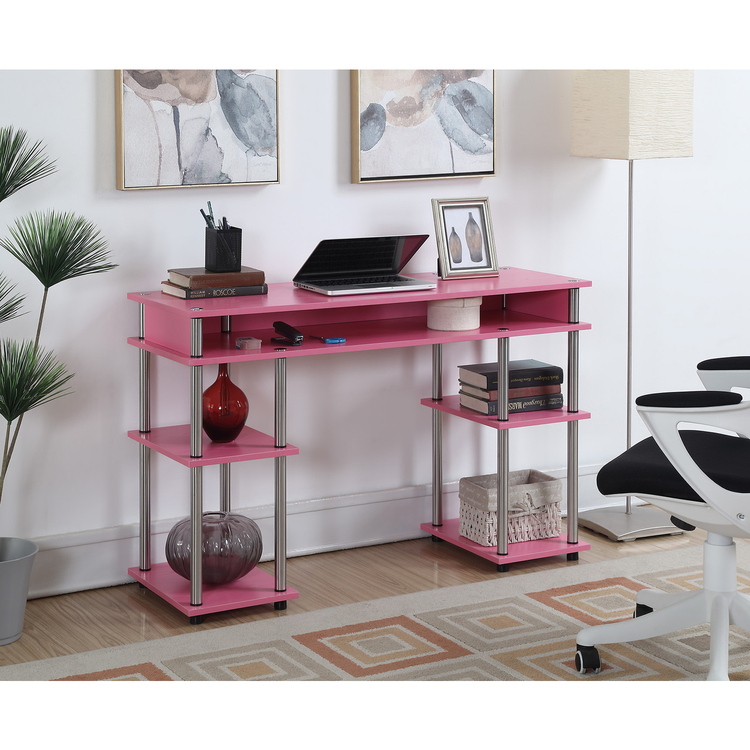
Better Focus and Concentration
A cluttered room with furniture scattered randomly drains mental energy before studying even begins. Space-efficient furniture designed specifically for student bedrooms keeps essentials within arm's reach while maintaining clear sightlines and breathing room. Students report higher focus levels when their study area is organized and visually calm.
Less Clutter, More Control
Space-saving smart storage furniture for students includes built-in drawers, shelves, and compartments that keep supplies, books, and personal items out of sight and organized by category. This reduces visual chaos and makes it easier for students to find what they need quickly.
More Usable Floor Space
Extra floor space isn't just nice—it's necessary. It provides room for movement, prevents the "shoebox" feeling that kills motivation, and allows for flexibility when rearranging or adding new items during the school year.
Easier Organization Throughout the Year
Students' needs evolve across the school year. Modular, multifunctional furniture adapts to changing schedules, projects, and activities without requiring a complete bedroom overhaul.
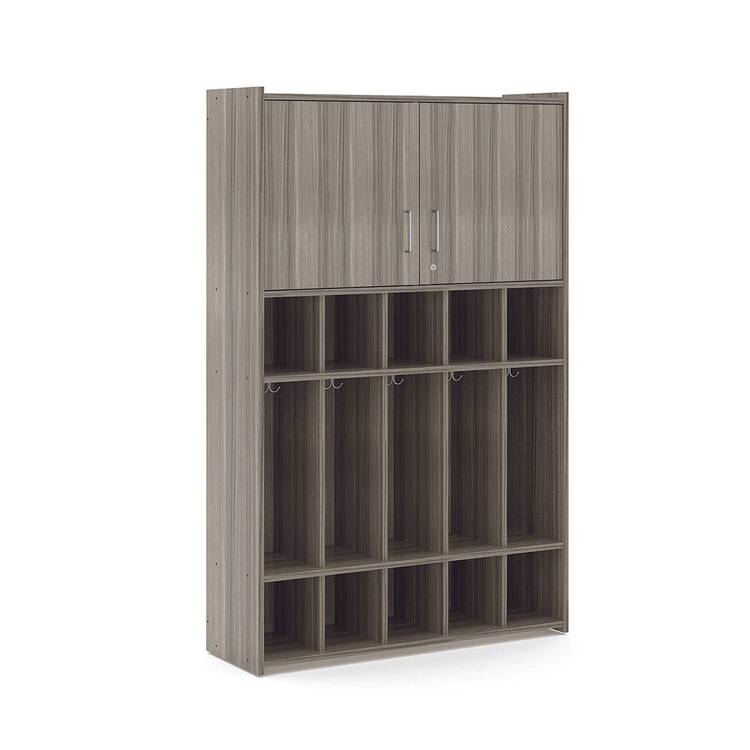
10 Space-Saving Furniture Ideas
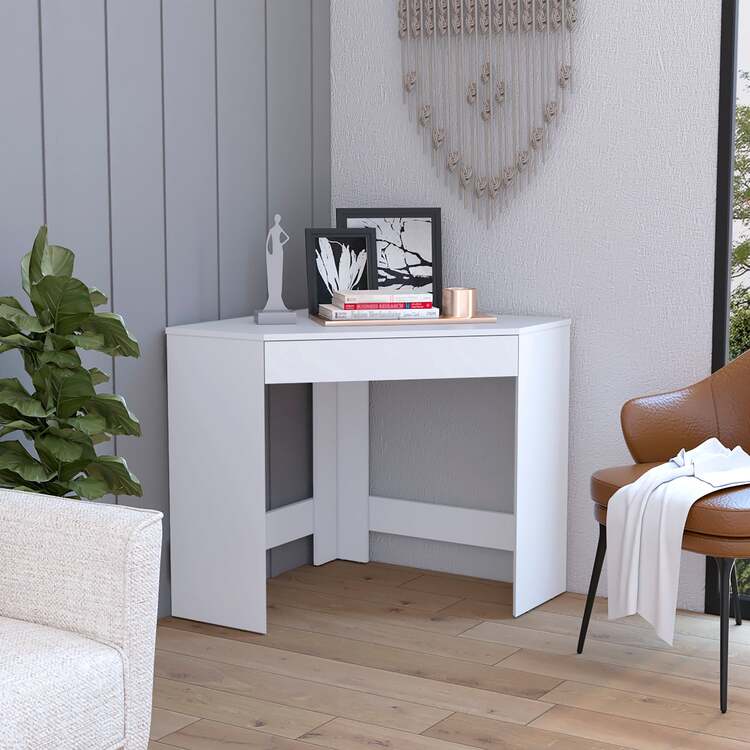
1. Compact Writing Desk
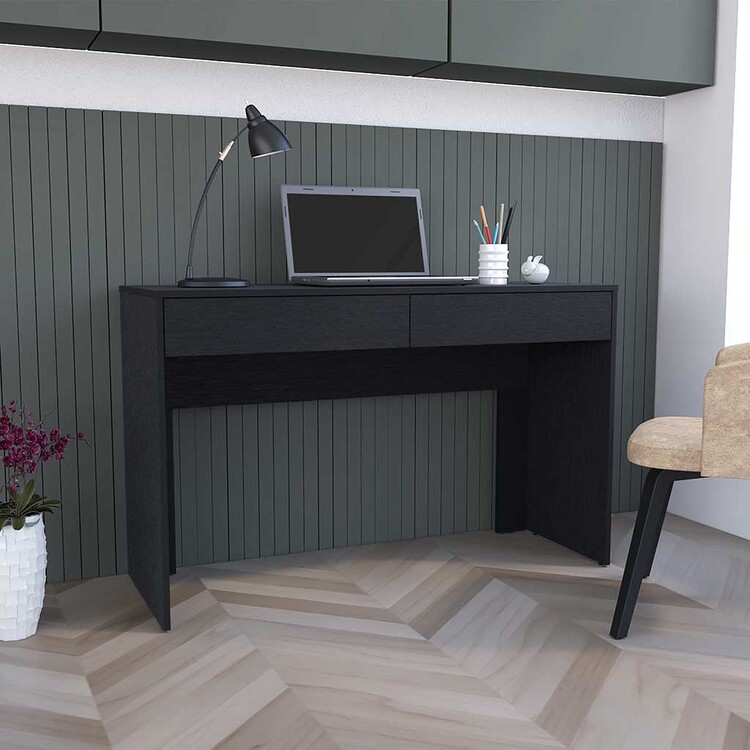
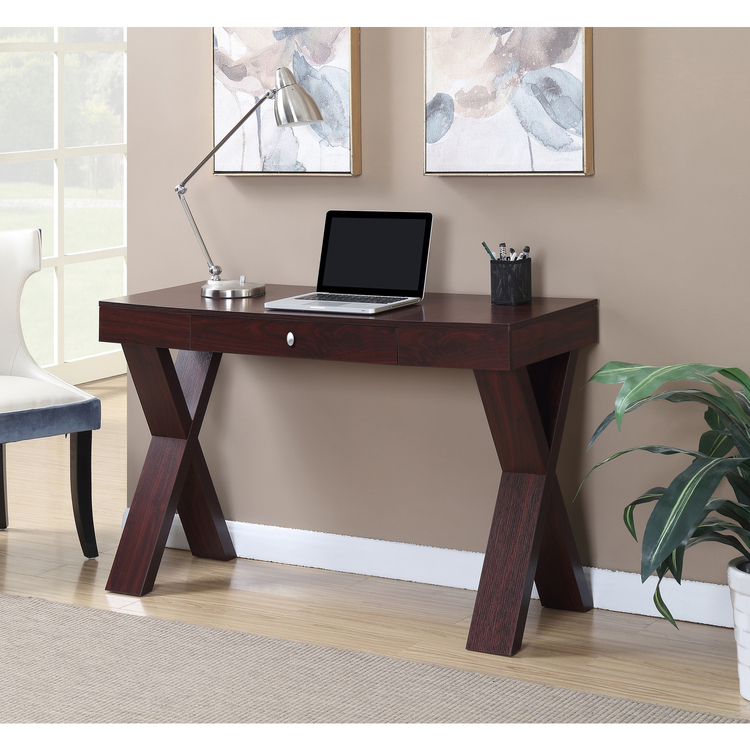
A compact writing desk is the foundation of any student bedroom. Unlike traditional large L-shaped desks that dominate a room, modern compact desks deliver full functionality in 36–48 inches of width. These space-saving study furniture options fit snugly against a wall or in a corner without overwhelming the space.
Why It Saves Space:
- Footprint smaller than most twin beds
- Vertical storage through shelves above or attached organizers
- Maintains clear floor space for movement
Best Use Case:
All room types—dorms, apartments, shared bedrooms, and teen rooms. Position near a window for natural light.
What Features to Look For:
- Drawers or pull-out storage for supplies
- Cable management built into the design
- Sturdy construction rated for laptop and textbooks
- Height between 28–30 inches for ergonomic seating
2. Adjustable Ergonomic Study Chair
Sitting for hours in the wrong chair creates back pain, poor posture, and reduced study effectiveness. An ergonomic office chair is one of the best investments for student success. Modern ergonomic study chairs are designed to be compact while still providing proper lumbar support and adjustability.
Why It Saves Space:
- Compact footprint—most roll under desks when not in use
- Eliminates the need for multiple seating options
- Doesn't require additional floor space beyond the desk area
Best Use Case:
Essential in dorm rooms and small apartments where a dedicated study area is shared with sleep and personal space.
What Features to Look For:
- Adjustable seat height (18–22 inches for standard desks)
- Lumbar support for long study sessions
- Armrests that fit under desk surfaces
- Breathable mesh back for all-day comfort
- Smooth-rolling casters for mobility

3. Rolling File Cabinet with Drawers
A rolling file cabinet for student bedroom is an underrated space-saving solution that combines storage and mobility. These compact cabinets hold textbooks, papers, art supplies, and school documents while rolling under desks or into closets when not needed.
Why It Saves Space:
- Mobile storage that tucks away to reveal floor space
- Vertical organization for papers and files
- Keeps clutter contained in one designated unit
Best Use Case:
Perfect for college students, high schoolers taking multiple classes, and any student managing large volumes of papers, notes, and study materials.
What Features to Look For:
- Smooth-rolling casters rated for weight capacity
- Multiple drawers for compartmentalization
- Lockable drawers for secure storage of valuable items
- Width and depth that fit under standard desks (typically 15–18 inches wide)

4. Vertical Chest of Drawers
Tall, narrow chest of drawers use vertical space instead of horizontal floor space. A high, slender chest (often called a "lingerie chest" or "tower dresser") delivers 6–8 drawers of storage in an area barely wider than a single bed.
Why It Saves Space:
- Minimal footprint—typically 18–24 inches wide
- Maximizes storage capacity without sprawling
- Fits in corners or alongside beds
Best Use Case:
Shared bedrooms, dorm rooms, and small apartments where clothing and personal item storage is needed without sacrificing floor space.
What Features to Look For:
- Solid construction rated for stability when tall
- Smooth-gliding drawer tracks
- Anti-tip brackets for safety
- Finish that complements desk and bed choices

5. Wall-Friendly Bookshelf
Wall-mounted bookshelves and tall freestanding bookshelves keep textbooks, reference materials, and decorative items off the floor and organized at eye level. Wall-mounted options are ideal for small bedrooms because they occupy zero floor space.
Why It Saves Space:
- Wall-mounted versions use no floor space
- Freestanding tall shelves have a small footprint
- Vertical display keeps items accessible and organized
Best Use Case:
All student living situations. Install shelves above desks, beside beds, or in unused wall corners.
What Features to Look For:
- Weight capacity for textbooks (typically 25+ lbs per shelf)
- Adjustable shelves for flexible organization
- Proper wall anchors and stud support
- Depth between 8–12 inches (enough for most textbooks)
6. Under-Desk Storage Cabinet
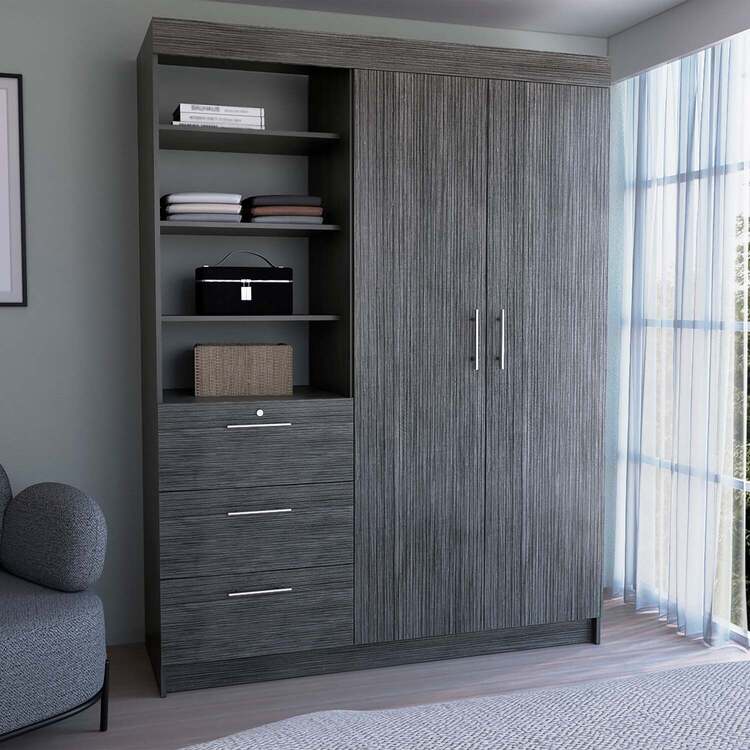
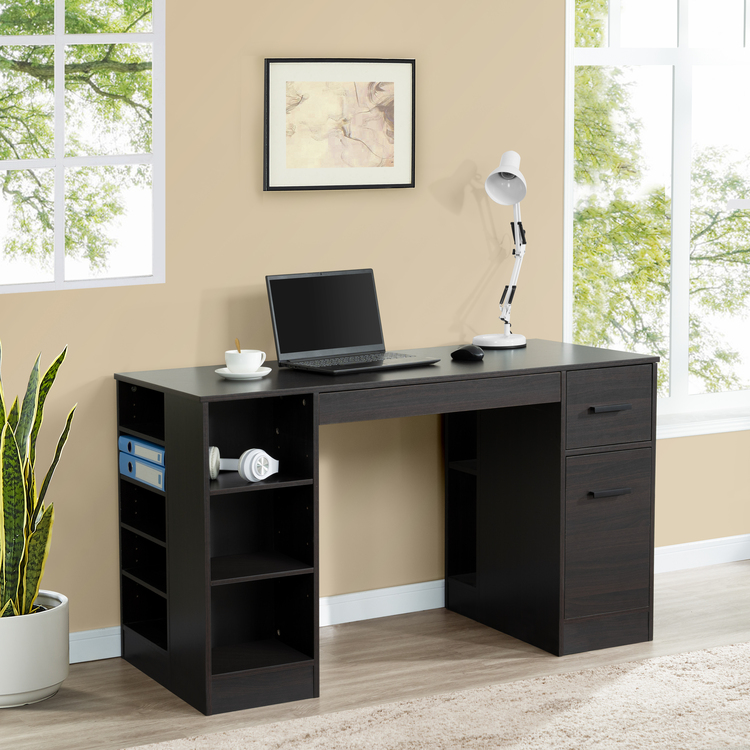
An under-desk storage cabinet or shelving unit creates hidden storage directly beneath the study surface. This small bedroom furniture for students option captures otherwise wasted space and keeps school supplies, chargers, and reference materials within arm's reach.
Why It Saves Space:
- Uses the void space directly under desk surfaces
- Keeps supplies organized and out of sight
- No additional floor space required
Best Use Case:
Compact desks and dorm setups where every inch counts. Ideal for students with multiple classes and varied supplies.
What Features to Look For:
- Height that fits under standard desks (typically 12–18 inches)
- Open shelves or closed cabinet doors (depending on preference)
- Casters for easy access and repositioning
- Durable construction for frequent access
7. Storage Ottoman Bench
A multifunctional furniture for small spaces like storage ottomans serves triple duty: seating, storage, and a work surface for laptops or books. Many student bedrooms lack extra seating for friends—a storage ottoman solves this while doubling as organization.
Why It Saves Space:
- Hides soft goods, throw blankets, and seasonal items inside
- Serves as seating so no additional chair is needed
- Compact footprint (typically 18–24 inches wide)
Best Use Case:
Dorm rooms, shared bedrooms, and small apartments where seating is limited and storage is crucial.
What Features to Look For:
- Internal storage with easy-open lid
- Sturdy construction rated for seating weight
- Moisture-resistant materials (for dorm environments)
- Non-slip feet or casters
8. Twin XL Bed with Built-In Storage
The bed is the largest furniture item in most bedrooms. A Twin XL bed with built-in drawers or shelving underneath transforms this "dead space" into valuable storage for off-season clothing, extra bedding, sports equipment, and more.
Why It Saves Space:
- Captures storage space that would otherwise be empty
- Eliminates the need for separate under-bed storage containers
- No additional floor space used
Best Use Case:
Dorm rooms and small bedrooms where every inch of storage is needed. Standard in college housing.
What Features to Look For:
- Drawers with smooth-gliding tracks and handles
- Adequate clearance for storing items longer than 24 inches
- Weight rating for storage contents plus sleeper weight
- Sturdy frame construction for long-term durability
9. Foldable Computer Desk
For students with ultra-compact spaces or flexible schedules, a foldable computer desk offers the best of both worlds: a full-size work surface when needed and a thin, storable footprint when not in use. These desks fold against walls or into closets in seconds.
Why It Saves Space:
- Transforms between use and storage modes instantly
- Reclaims floor space for movement and activities
- Ideal for students with limited dedicated study areas
Best Use Case:
Studio dorm rooms, shared apartments, and students who study in multiple locations (library, coffee shops, home).
What Features to Look For:
- Smooth-operating hinges and locking mechanisms
- Stable when extended (no wobbling)
- Adequate surface area when open (at least 36 × 24 inches)
- Lightweight for easy folding and storage
- Cable management solutions for laptops
10. Futon Sofa Bed for Multi-Use Rooms
A futon sofa bed is the ultimate multifunctional furniture for students. By day, it's a comfortable seating area for studying, gaming, or socializing. By night, it folds flat into a bed. This single piece replaces both a couch and reduces the need for a traditional bed frame.
Why It Saves Space:
- Combines sleeping and seating in one piece
- Eliminates need for a separate sofa or couch
- Compact when folded up for daytime use
Best Use Case:
College dorm rooms, studio apartments, and shared rooms where limited square footage means every furniture item must multitask.
What Features to Look For:
- Smooth folding mechanism (click-clack or drop-arm styles)
- Quality mattress padding for sleep comfort
- Durable upholstery rated for frequent use
- Dimensions that fit target space both folded and flat
Best Furniture Combinations by Room Size
Different room sizes and living situations call for different approaches. Here's what works best for each scenario:
| Room Type | Recommended Furniture Combination | Why It Works |
|---|---|---|
| Dorm Room (under 120 sq ft) | Twin XL bed with storage, compact desk, ergonomic chair, rolling file cabinet, wall-mounted shelves | Maximizes every square foot. Vertical storage on walls, hidden storage in bed and rolling cabinet. Chair tucks under desk. Minimal floor clutter. |
| Small Apartment Bedroom | Twin XL or full bed with storage, 42-48" desk, ergonomic chair, vertical chest, bookshelf, storage ottoman | Balances sleeping and working areas. Storage pieces handle clothing, supplies, and personal items separately. Ottoman provides flexible seating. |
| Shared Sibling Bedroom | Loft bed with desk underneath, second twin bed, wall shelves (2-3 rows), rolling file cabinet per student, storage ottomans | Loft creates distinct study zone under elevated bed. Walls hold individual shelves for organization. Rolling cabinets store each student's supplies separately. |
| Teen Study Room / Bedroom | Twin bed, 48-60" desk, ergonomic chair, bookshelf, vertical chest, wall-mounted shelves, storage ottoman, under-desk cabinet | Dedicated study space separate from sleep area. Multiple storage layers keep room organized. Flexible furniture layout allows rearranging as interests evolve. |
A 5-Minute Back-to-School Bedroom Setup Checklist
Before your student sits down to study, use this quick checklist to ensure their space supports focus, comfort, and organization:

- Desk positioned near natural light: If possible, place the study desk near a window. Natural daylight boosts alertness and reduces eye strain.
- Chair height adjusted for ergonomics: Feet should rest flat on floor, with knees at 90 degrees. Desk should reach elbow height when seated.
- Storage for school supplies visible and accessible: Pens, notepads, calculators, and highlighters should have designated homes in drawers or desktop organizers.
- Charging station established: Designate a specific spot with power outlets for charging laptops, phones, and headphones. Use a power strip if needed.
- Cable management in place: Use clips, ties, or cable organizers to keep charging cables, headphone cords, and monitor cables neat and untangled.
- Bookshelf or book storage within arm's reach: Reference books, textbooks, and study materials should be easily accessible without leaving the desk chair.
- Clear walking path to door and closet: Ensure furniture doesn't block the main thoroughfare through the room.
- Minimal visual distractions on desk surface: Only essential items (laptop, notebook, pen cup) should sit on the desk surface. Everything else stores away.
Common Mistakes to Avoid
1. Buying Oversized Desks
The biggest mistake parents make is purchasing a large L-shaped or oversized desk because "it has more storage." In a small room, an enormous desk monopolizes the space and actually makes the room feel smaller. A 36–48 inch compact desk plus a rolling file cabinet provides the same storage capacity in a more efficient footprint.
2. Ignoring Vertical Storage
Students often focus on horizontal floor space and ignore the walls. Wall-mounted shelves, tall bookshelves, and over-door organizers are game-changers in small spaces. Think vertical first.
3. Using Dining Chairs or Unsuitable Seating for Studying
A dining chair might seem like a space-saving solution, but it causes back pain and reduces study session length. An ergonomic study chair is an investment in health and academic performance. Quality chairs come in compact designs that still provide necessary support.
4. Blocking Walking Paths with Furniture
Poor furniture placement makes a small room feel claustrophobic. Always maintain a clear walking path from the door to the bed and to the closet. Arrange furniture against walls rather than in the center of the room.
5. Choosing Furniture Without Built-In Storage
Every furniture piece in a small student bedroom should earn its place. When possible, choose beds with drawers, desks with shelves, and dressers designed for vertical storage. Avoid standalone pieces that offer no storage benefits.
6. Overcomplicating the Color Scheme or Design
Busy colors and patterns make small spaces feel cramped. Stick to 2–3 neutral base colors and add personality through accessories, posters, and textiles that can be changed seasonally.
Frequently Asked Questions
Q: What is the best back to school furniture for a small bedroom?
A: The foundation includes a compact desk (36–48 inches), an ergonomic study chair, a bed with storage underneath, wall-mounted or tall bookshelves, and a rolling file cabinet. These pieces work together to maximize storage and minimize floor space. Add a storage ottoman or under-desk cabinet as your space allows.
Q: How do I fit a desk in a tiny student room?
A: Position a compact desk against a wall near natural light. Use wall-mounted shelves above the desk for supplies and books. Choose a desk with built-in drawers or add rolling storage underneath. If floor space is truly minimal, consider a wall-mounted fold-down desk that stores against the wall when not in use.
Q: Is a rolling file cabinet useful for students?
A: Yes. A rolling file cabinet provides organized storage for papers, textbooks, and supplies while offering mobility. It can roll under the desk to save space or into a closet when not needed. It's especially valuable for students managing multiple classes with lots of handouts and notes.
Q: What furniture works best in a dorm room?
A: Dorm room essentials include a Twin XL bed with storage, a compact desk, an ergonomic study chair, a rolling file cabinet, and wall-mounted shelves. Many dorms provide the bed and desk, so focus on the chair, storage solutions, and vertical organization. A storage ottoman adds extra seating and storage in one piece.
Q: How can I create a study area in a shared bedroom?
A: Use a combination of vertical storage to define space: install separate shelves for each student, use rolling file cabinets to store individual supplies, and position desks on opposite walls. If space is extremely limited, consider a loft bed for one student with a desk underneath, freeing floor space for the second student's desk and activities.
Conclusion
Creating an effective study space in a small student bedroom doesn't require magic—it requires strategy. By prioritizing compact furniture for college students and space-saving furniture for small student bedrooms, you're setting your student up for success both academically and personally.
The top three space-saving solutions that deliver the biggest impact are: (1) a compact desk paired with an ergonomic study chair positioned against a wall, (2) vertical storage through wall-mounted shelves and tall, narrow dressers, and (3) a bed or ottoman with built-in storage to capture otherwise wasted space. These three elements create a functional, organized study zone without overwhelming a small room.
Remember: the goal isn't to fill every corner with furniture. It's to choose fewer, smarter pieces that work harder. When furniture combines storage, function, and mobility—like rolling file cabinets, futon beds, and foldable desks—students gain flexibility to adapt their space as the school year evolves and their needs change.
Start with the furniture combination that matches your room size and situation (dorm, apartment, shared bedroom, or teen room), then customize with additional storage and organization pieces as budget allows. Your student will thank you come midterm season.